




Efforts to broker a new peace deal between Iran, the United States, and Israel are facing major obstacles after Iranian officials dismissed the latest proposals presented by Qatari mediators as “unacceptable.” The draft, delivered to Tehran on Sunday, aims to end the ongoing conflict and address the concerns of both Tehran and Washington, but has been met with skepticism from Iranian authorities, according to multiple sources briefed on the negotiations.
Qatari officials presented the new draft agreement in Tehran, outlining a seven-day timeline that would require both sides to take daily confidence-building steps, according to an official familiar with the talks cited by Reuters. The proposal was reportedly coordinated with Washington before being handed over to Iranian negotiators, with the intention of breaking the deadlock that has persisted since previous mediation efforts collapsed.
However, a senior Iranian official involved in the discussions told Reuters that the ideas presented by Qatar did not constitute a new peace proposal and were “unacceptable” to Tehran. The official emphasized that Iran’s position on the nuclear issue remains unchanged, and that no flexibility would be shown in this area—a key sticking point in the negotiations.
Conflicting accounts from the parties involved have cast doubt on the effectiveness of Doha’s mediation. While Qatari sources maintain that a new draft deal was put forward, Iranian officials insist that only proposals lacking substance were presented. Tehran is expected to formally respond to the draft by the end of the week, but the sharp language from Iranian representatives suggests little room for compromise.
The latest draft is said to set out a detailed seven-day process, with both sides required to take specific actions each day to build mutual trust. According to the official briefed on the negotiations, several countries would act as guarantors of the deal if it were to move forward. The timeline could begin as early as next week, pending agreement from all parties.
Earlier mediation efforts, including an interim peace agreement reached in June, have failed to produce a lasting resolution. That agreement quickly unraveled, and subsequent attempts to revive talks have been hampered by deep mistrust and divergent priorities, particularly over Iran’s nuclear program and the scope of US and Israeli military actions.
The ongoing conflict, which began with US and Israeli military operations against Iran on February 28, has had significant repercussions for regional stability and global energy markets. The Arabian Gulf region, a critical hub for oil and gas exports, remains on high alert as diplomatic efforts falter and the risk of further escalation persists.
Qatari mediation has been viewed as a potential avenue for de-escalation, given Doha’s longstanding relationships with both Tehran and Washington. However, the latest rejection by Iranian officials highlights the challenges facing any diplomatic initiative that does not address Iran’s core demands, particularly regarding its nuclear program.
Why it matters
The rejection of the Qatari draft by Iran underscores the persistent obstacles to ending the war involving the US and Israel, with the nuclear issue remaining a central barrier to progress. According to Reuters and other sources, Tehran’s inflexible stance on its nuclear program continues to block diplomatic breakthroughs, despite international efforts to mediate.
This impasse carries significant implications for regional security and the global economy. As noted by Iranian officials and highlighted in regional media, any escalation or “military misadventure” in the Arabian Gulf could have a devastating impact on international energy markets, given the region’s role as a major supplier of oil and gas. The involvement of multiple countries as potential guarantors in the proposed deal reflects the high stakes and broad international concern over the conflict’s potential fallout.
With Tehran expected to issue a formal response by the end of the week, the coming days will be critical for the future of diplomatic efforts. The divergent accounts from Qatari and Iranian officials, along with the looming threat of further US military action, mean that the prospects for a negotiated settlement remain uncertain and closely watched by governments and markets worldwide.
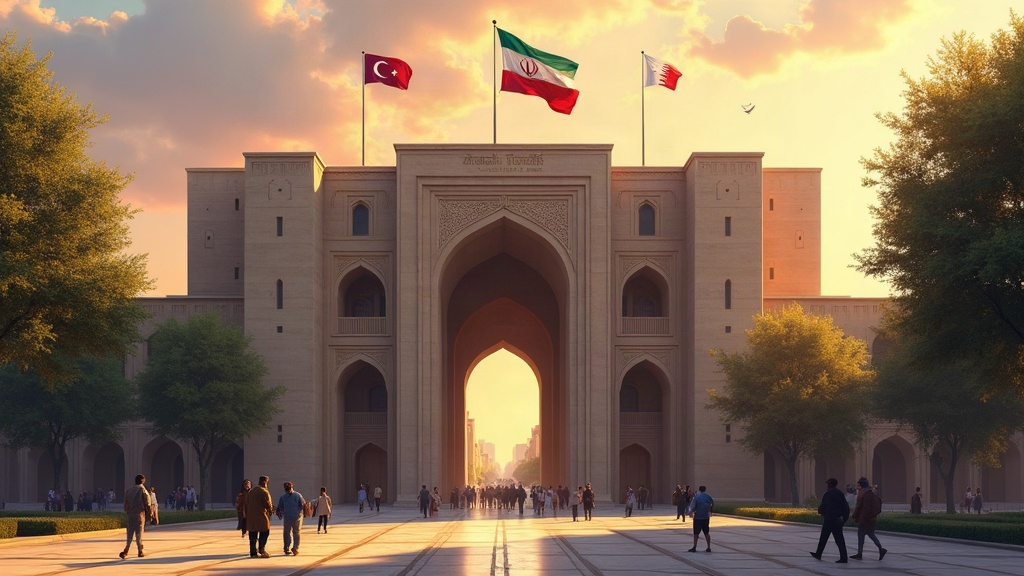
The image accompanying this article is an AI-generated illustrative depiction inspired by the actual scene of the event.