





Malaysian customs officials have seized 30 servers equipped with advanced artificial intelligence chips at the country’s main airport, in what authorities describe as a suspected violation of export-control regulations. The seizure, announced today, is believed to be linked to an international smuggling syndicate using Malaysia as a transit hub to re-export restricted technology to another Asian country.
According to customs statements cited by multiple news agencies, the shipment was intercepted on October 15 during an inspection at the free trade zone area of Kuala Lumpur International Airport. The cargo, valued at approximately 50 million ringgit (about $12.2 million), had been falsely declared as electric components in an apparent attempt to avoid detection and bypass regulatory controls.
Officials say the servers originated from one Asian country and were intended to be reexported to a second Asian destination, with Malaysia serving as an intermediary stop. The customs department alleges that the syndicate behind the operation sought to exploit Malaysia’s status as a transit destination to circumvent restrictions that might apply if the servers were shipped directly to their final destination.
Customs director Aspalila Ag Tuah told reporters that the shipment is believed to be connected to a network responsible for at least five attempted smuggling operations involving advanced AI chips. In June, authorities intercepted a separate shipment of 72 servers containing similar chips at the same airport, highlighting what officials describe as a persistent effort to reroute sensitive technology through Malaysia.
During a press conference at customs headquarters in Sepang, officers displayed crates containing the seized servers and photographs of the confiscated equipment. Customs personnel also demonstrated the removal of plastic wrapping from the crates as part of the ongoing investigation.
Authorities have summoned a Malaysian firm involved in facilitating the shipment to assist with the investigation. The case remains under review, and officials have not disclosed the identities of the countries involved or the specific type of AI chips found in the servers. No arrests have been reported as of today.
The customs department emphasized that the servers were shipped without the required permits, and the false declaration of their contents constitutes a violation of Malaysian export laws. The department is working to determine the full extent of the syndicate’s operations and whether additional shipments may have evaded detection.
Export controls on advanced AI chips have become a focal point for governments seeking to prevent sensitive technology from reaching unauthorized users or destinations. Malaysia’s role as a major logistics and shipping hub in Southeast Asia has made it a strategic point of interest for both legal trade and illicit smuggling networks.
Why it matters
This seizure underscores the growing global scrutiny over the movement of advanced technology, particularly artificial intelligence hardware, amid rising concerns about export-control violations. The Malaysian customs department’s interception of the servers, valued at over $12 million, highlights the scale and sophistication of syndicates attempting to bypass international regulations.
The incident is significant because it demonstrates how Malaysia’s strategic position as a transit hub can be exploited by smuggling networks aiming to re-export restricted technology. According to customs director Aspalila Ag Tuah, this is not an isolated event, with the same syndicate suspected in multiple previous attempts to move similar shipments through the country.
Authorities’ ongoing investigation and the involvement of a local Malaysian firm point to the complexities of enforcing export controls in a region where high-value technology is in demand. The outcome of this case may influence how Malaysia and its regional partners strengthen monitoring and enforcement mechanisms to prevent the illegal transfer of sensitive AI technology.
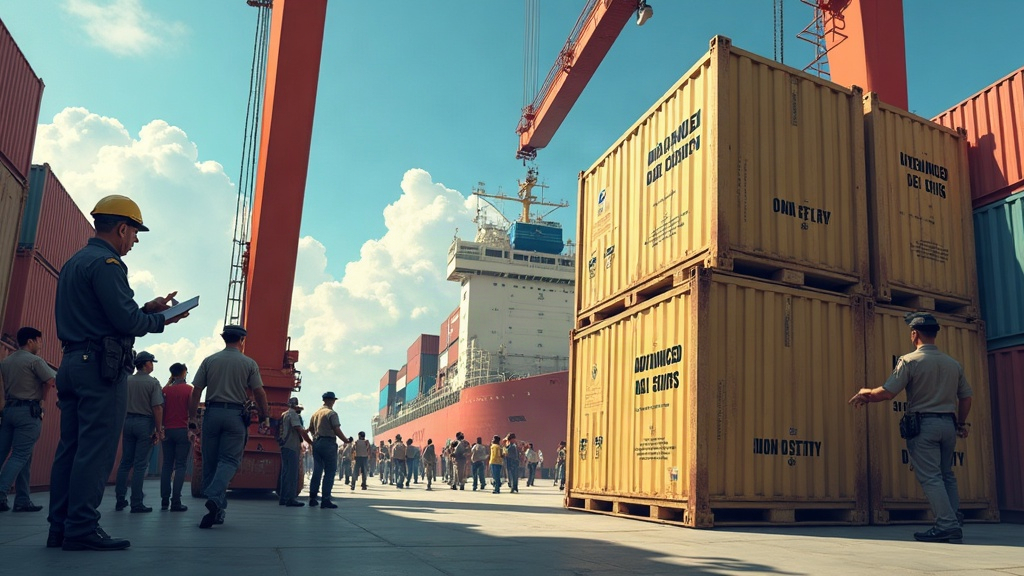
The image accompanying this article is an AI-generated illustrative depiction inspired by the actual scene of the event.