




Several major Chinese brands have announced the termination of their partnerships with French soccer star Kylian Mbappé after comments he made that were widely interpreted as referring to Mao Zedong, the founding leader of Communist China, as a dictator. The move comes amid a surge of criticism on Chinese social media and underscores the sensitivity of political topics in the country.
Beverage maker Dongpeng, dairy giant Mengniu, and cheese producer Milkground each released similarly worded statements on Tuesday, saying they oppose “any words and actions that hurt national sentiment.” The companies did not specify the exact comments that led to their decisions, but the announcements followed the circulation of a video clip on social media in which Mbappé appeared to reference Mao Zedong as a dictator during a pre-show interview for a French online talk show.
Mbappé’s image has been prominent in advertising campaigns across China for months, appearing in locations ranging from subway stations to supermarket shelves. The sudden break with the French national team captain marks a sharp reversal for the brands, which had previously leveraged his international profile to appeal to Chinese consumers.
According to statements cited by Reuters and AP News, Dongpeng declared a “zero-tolerance policy toward any behavior that hurts the feelings of the Chinese people.” Mengniu and Milkground echoed this sentiment, each emphasizing their opposition to conduct that damages national sentiment. The companies also indicated that they would remove all promotional materials featuring Mbappé.
The controversy erupted after a video circulated online showing Mbappé being interviewed ahead of his appearance on the French talk show “The Bridge.” In the clip, he reportedly commented on memes and images that depicted his face on Chinese leaders, which some interpreted as a reference to Mao Zedong. While Mbappé has previously addressed such memes in French media, describing them as lacking “political and human awareness,” his latest remarks were seen by many in China as disrespectful.
On Chinese social media platform Weibo, the hashtags “Dongpeng ends partnership with Mbappé” and “Several brands end partnerships with Mbappé” quickly rose to the top of the trending list. Many users criticized Mbappé, with some calling for him not to visit China and expressing anger over his comments. The backlash highlights the rapid shift in public sentiment that can occur when foreign celebrities are perceived to have crossed political red lines.
The affected brands are among the most prominent in their sectors in China. Dongpeng is known for its energy drinks, Mengniu is one of the country’s largest dairy producers, and Milkground is a leading cheese maker. Their decisions to cut ties with Mbappé are likely to have a significant impact on both their marketing strategies and the footballer’s commercial presence in the Chinese market.
Mbappé, who recently attended the Ballon d’Or ceremony in London, has not issued a public response to the termination of these partnerships. The incident comes at a time when international celebrities are increasingly scrutinized for their statements and actions in relation to China’s political sensitivities.
Why it matters
The decision by Dongpeng, Mengniu, and Milkground to end their partnerships with Kylian Mbappé underscores the influence of Chinese public opinion and the risks international celebrities face when engaging with politically sensitive topics. According to AP News and Reuters, the brands acted swiftly after the social media backlash, demonstrating how quickly reputational damage can escalate in China’s vast consumer market.
This episode highlights the growing importance for global brands and public figures to navigate China’s political landscape carefully. The incident also reflects the broader trend of Chinese companies prioritizing national sentiment in their business decisions, as seen in their immediate removal of Mbappé’s promotional materials following the controversy.
With the affected companies among the leaders in their respective industries, the fallout from this incident is likely to prompt other international celebrities and brands to reassess their approach to partnerships and public statements involving China. The rapid response on platforms like Weibo shows the powerful role of social media in shaping corporate actions and public perception in the country.
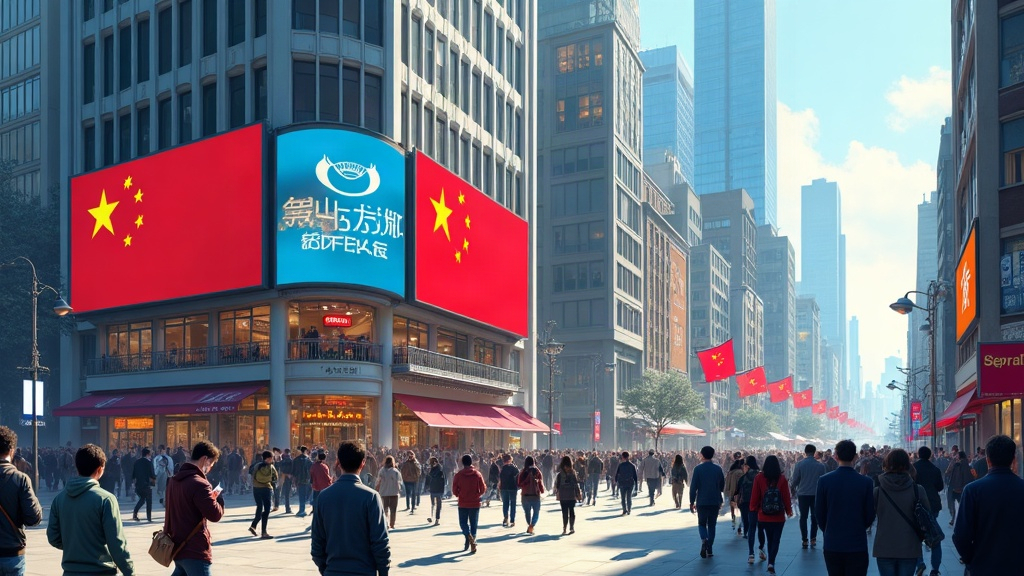
The image accompanying this article is an AI-generated illustrative depiction inspired by the actual scene of the event.