




Finnish President Alexander Stubb and Norwegian Prime Minister Jonas Gahr Støre held a rare joint phone call with Russian President Vladimir Putin on October 27, urging an end to the ongoing war in Ukraine and calling for renewed diplomatic efforts. The discussion, described as frank and substantive by the Nordic leaders, marks a significant break from the general European practice of avoiding direct contact with the Kremlin since the start of the conflict.
The call was initiated by Finland and Norway, both of which share borders with Russia, to address what they described as the enormous human and material costs of the war. According to statements from both governments, the leaders emphasized the urgent need for de-escalation and highlighted the direct impact of the conflict on their own national security and that of Europe more broadly.
“The outcome of this war will have a direct impact on our and the broader European security. Ending the war requires direct discussions,” Stubb said in a joint statement with Støre, as reported by Reuters. The Norwegian prime minister added, “The suffering and destruction will impact generations. In the call we stressed the importance of de-escalation.”
The conversation was held in consultation with Ukrainian President Volodymyr Zelenskyy, following a meeting in Oslo on October 20 that included Stubb, Støre, Zelenskyy, and US special envoy Steve Witkoff. After the Oslo talks, Witkoff traveled to St Petersburg for discussions with Putin, according to officials cited by Al Jazeera and RTÉ.
The Kremlin, in its account of the call, reiterated that a just and long-term peace would only be possible if the “legitimate interests of the Russian Federation are fully and unconditionally taken into account.” Putin reportedly blamed what he called “confrontational” policies by the EU and NATO for prolonging the conflict, according to statements carried by BBC and Reuters.
The rare direct communication comes as Western efforts to support Ukraine face new challenges, with US ties to Kyiv reportedly at their lowest point in 18 months. The Nordic leaders clarified that their initiative was not on behalf of “Europe as a whole” but was motivated by the unique security concerns of their own countries, both of which are NATO members and share extensive land borders with Russia.
Following the call with Putin, Stubb and Støre also spoke with Ukrainian President Zelenskyy to update him on the conversation, according to a Zelenskyy aide cited by Reuters. The Finnish and Norwegian governments stressed that their engagement was coordinated with Kyiv and aimed at supporting Ukraine’s sovereignty and territorial integrity.
There was no immediate indication from any side that the call would lead to a breakthrough or formal negotiations. The sources noted that the outcome of the conversation remains uncertain, with no definitive response from Putin regarding any change in Russia’s position or willingness to enter peace talks.
The call took place against the backdrop of renewed Russian attacks on Ukrainian infrastructure, including strikes on transport targets in Kyiv, as reported by Al Jazeera. The timing underscores the ongoing intensity of the conflict and the urgency expressed by the Nordic leaders for diplomatic solutions.
Why it matters
This direct outreach by Finland and Norway to President Putin is notable for breaking with the prevailing European approach of isolating Moscow diplomatically since Russia’s invasion of Ukraine. According to Reuters and BBC, most Western European leaders have avoided direct contact with the Kremlin, making this joint call a rare exception and a potential signal of shifting tactics among some NATO members.
The initiative reflects growing concern in Northern Europe about the security risks posed by the war, especially for countries bordering Russia. Both Finland and Norway emphasized that the conflict’s outcome would have immediate consequences for their own safety and for European stability, a point underlined in their joint statement and supported by their coordination with Ukraine and the United States.
The call also comes amid reports of weakening US-Ukraine ties and ongoing Russian military operations, highlighting the complex diplomatic landscape. While the conversation has not yet produced concrete results, it underscores the willingness of some European leaders to engage directly with Russia in pursuit of peace, even as the Kremlin maintains its hardline stance on its “legitimate interests.” The next steps will likely depend on responses from Moscow, Kyiv, and Western allies as diplomatic efforts continue.
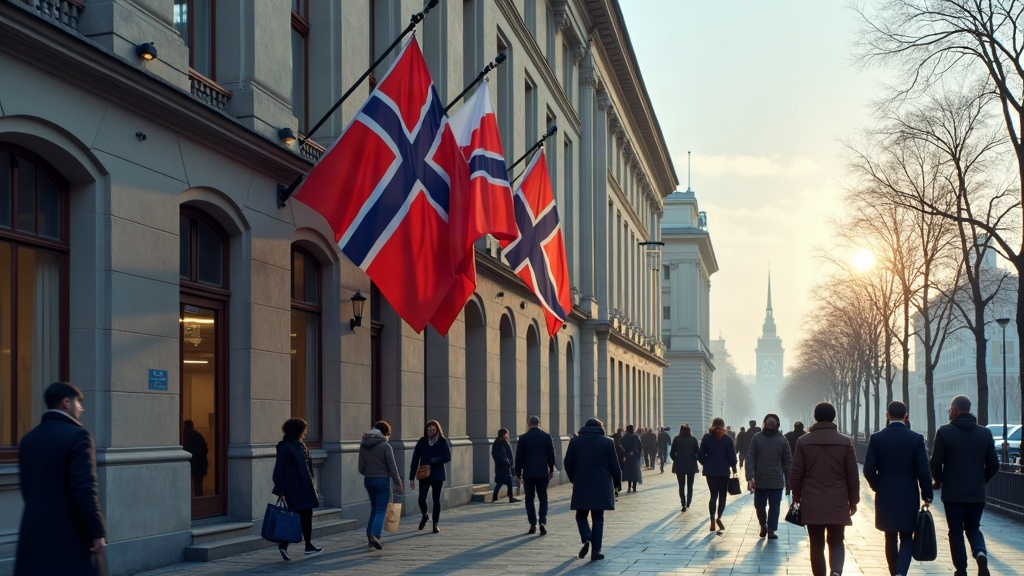
The image accompanying this article is an AI-generated illustrative depiction inspired by the actual scene of the event.