





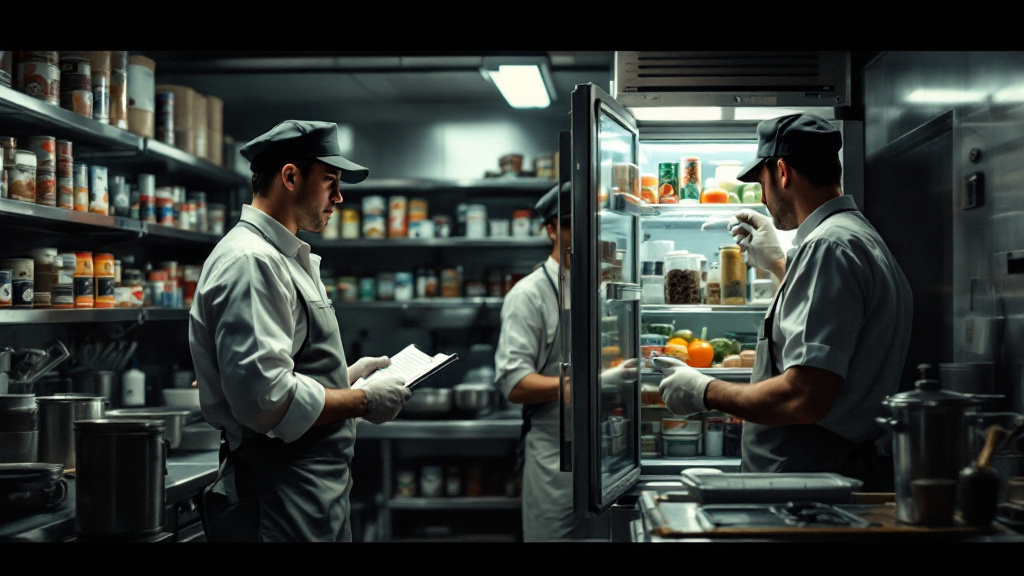
Food safety violations involving food stored in rusty cans and at unsafe temperatures have been identified, raising concerns about the risk of foodborne illnesses during large gatherings and holiday events.
According to recent reports, improper food handling practices—including the use of rusty containers and failure to maintain safe storage temperatures—have been cited as key violations. Experts warn that such lapses can allow harmful bacteria to grow, posing a significant health risk to consumers.
Food safety specialists emphasize the importance of keeping perishable foods at or below 40 degrees Fahrenheit to prevent bacterial growth. According to USA Today, leftovers from large meals such as Thanksgiving should be refrigerated promptly and consumed within four days if stored properly. The risk increases if food is left out at room temperature for extended periods or stored in compromised containers.
Professor Donald Schaffner, a food microbiology expert at Rutgers University, told NBC News that maintaining safe kitchen practices is essential, especially during busy holiday seasons when large quantities of food are prepared and served. He noted that improper cooling methods and storage at unsafe temperatures are common violations that can lead to foodborne outbreaks.
The issue of food held in rusty cans further complicates safety concerns. While the sources do not directly link rust to temperature violations, the presence of rust on food containers or storage racks is considered a health code violation, as it can lead to contamination.
Recent food recalls reported by USA Today highlight the ongoing vigilance required to prevent contamination. The U.S. Department of Agriculture and the Food and Drug Administration have issued warnings and recalls for various products, including frozen meats and whipped cream, due to mislabeling and potential contamination risks.
In a related incident, CBS News reported that 15 people were hospitalized following a suspected food poisoning outbreak at a Thanksgiving luncheon in Doral, Florida. The affected facility had contracted an external caterer, and officials are investigating whether improper food handling or storage contributed to the incident.
Food safety experts cited by The New York Times caution that certain foods and preparation methods carry higher risks, particularly for vulnerable groups such as young children, older adults, and those with weakened immune systems. They advise extra care in both preparation and storage to minimize health hazards.
Authorities recommend that consumers stay informed about food recalls and adhere strictly to food safety guidelines, especially during holidays when the volume of food prepared and stored increases the risk of lapses.
Why it matters
The identification of health violations involving rusty cans and unsafe food temperatures underscores the ongoing challenges in maintaining food safety during peak holiday periods. According to NBC News and USA Today, large gatherings and increased food preparation amplify the risk of improper handling, which can lead to outbreaks of foodborne illness.
These incidents affect not only individuals and families but also institutions such as medical centers and catering companies, as seen in the recent hospitalization of 15 people in Doral. The involvement of federal agencies like the USDA and FDA in issuing recalls further highlights the systemic importance of rigorous food safety standards.
With the holiday season underway, adherence to recommended storage temperatures and the avoidance of compromised containers are critical to protecting public health. Food safety experts and regulatory agencies continue to urge vigilance, especially as vulnerable populations face heightened risks from contamination and improper food handling.
The image accompanying this article is an AI-generated illustrative depiction inspired by the actual scene of the event.