




Gulf states are sounding the alarm over the risk of a more destructive regional conflict if the United States and Israel resume military strikes against Iran, according to officials and diplomatic sources. The warnings come as Iran has vowed to retaliate “without any geographic limitations” should it face further attacks, raising fears of a broader war across the Middle East.
Senior officials from Saudi Arabia, Türkiye, and Pakistan have travelled to Tehran in recent days to mediate and urge restraint, while Qatar is also engaging in talks to narrow differences between the parties, according to multiple sources familiar with the diplomatic efforts. The Gulf states have already been absorbing heavy missile and drone attacks from Iran since the conflict began, and leaders are concerned that renewed US-Israeli military action would provoke an even fiercer response from Tehran.
Anwar Gargash, diplomatic adviser to the president of the United Arab Emirates, expressed the region’s anxiety at the IISS Manama Dialogue in Bahrain on Sunday. “We find ourselves drawn within a crisis that we worked diplomatically very hard to try to avert,” Gargash said, calling for a “political off-ramp” to avoid further escalation.
According to Bloomberg, Gulf leaders fear that Iran is now better prepared to retaliate, and that any new strikes could unleash a wave of attacks targeting critical infrastructure and economies across the region. The Japan Times reported that Iranian strikes have already hit fuel tanks in Bahrain, underscoring the vulnerability of Gulf states to further escalation.
Despite the mounting tensions, US President Donald Trump has so far ruled out launching fresh strikes before Tuesday’s US midterm elections. Trump has repeatedly stated that he prefers a diplomatic resolution to the conflict, but has left open the possibility of renewed military action if peace talks remain deadlocked, according to The Japan Times and statements from US officials.
US Secretary of State Marco Rubio confirmed that no decision has been made on further strikes, emphasizing that the administration is seeking a peaceful end to the eight-month conflict. However, Iran’s leadership has ordered a “maximum” response to any new US attack, according to Axios, raising the stakes for all countries in the region.
Markets have responded nervously to the heightened tensions. Oil prices fell ahead of the US midterm elections, despite fresh attacks on vessels near the Strait of Hormuz and Iranian threats to broaden retaliation if the US renews strikes, Bloomberg reported. Investor sentiment in the Gulf has also been affected, with emerging-market currencies slipping as traders await developments in the conflict.
Diplomatic sources say that while intense mediation efforts are underway, there is no definitive answer on whether US-Israeli strikes will resume. The uncertainty is fueling anxiety among Gulf states, who fear being caught in the crossfire of a wider regional war.
Why it matters
The warnings from Gulf officials highlight the region’s acute vulnerability to any escalation between Iran and the US-Israeli alliance. As noted by Anwar Gargash and reported by Bloomberg, Gulf states have invested heavily in diplomatic efforts to prevent a wider war, but now find themselves at risk of direct retaliation should hostilities resume.
Iran’s threat to retaliate “without any geographic limitations” signals a willingness to target a broad range of countries and infrastructure, raising the prospect of attacks on energy facilities, shipping routes, and civilian areas. The recent strikes on Bahrain’s fuel tanks, as reported by The Japan Times, underscore the real and immediate risks to Gulf economies and global energy supplies.
With President Trump holding off on new strikes ahead of the US midterms and diplomatic channels still open, the coming days will be critical. The situation remains highly volatile, with the potential for rapid escalation if negotiations fail or if either side perceives a provocation. Investors, governments, and civilians across the region are watching closely as the crisis unfolds.
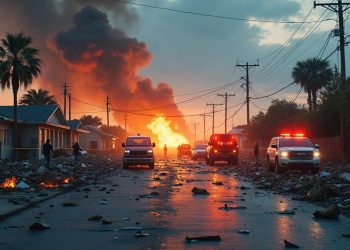
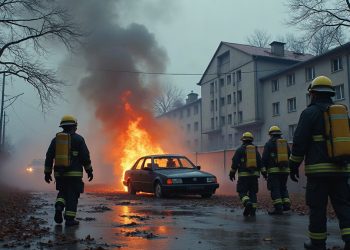
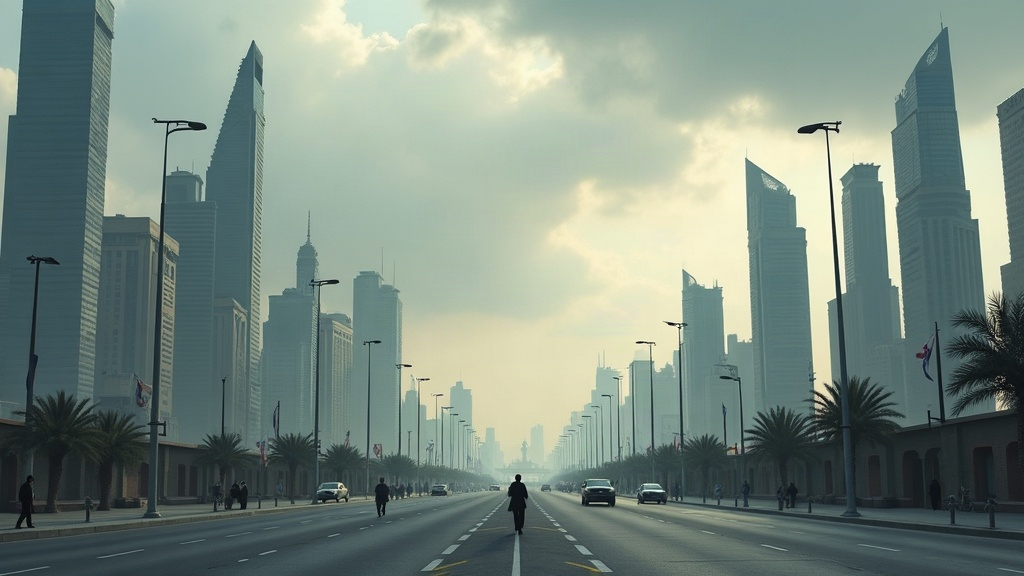
The image accompanying this article is an AI-generated illustrative depiction inspired by the actual scene of the event.