





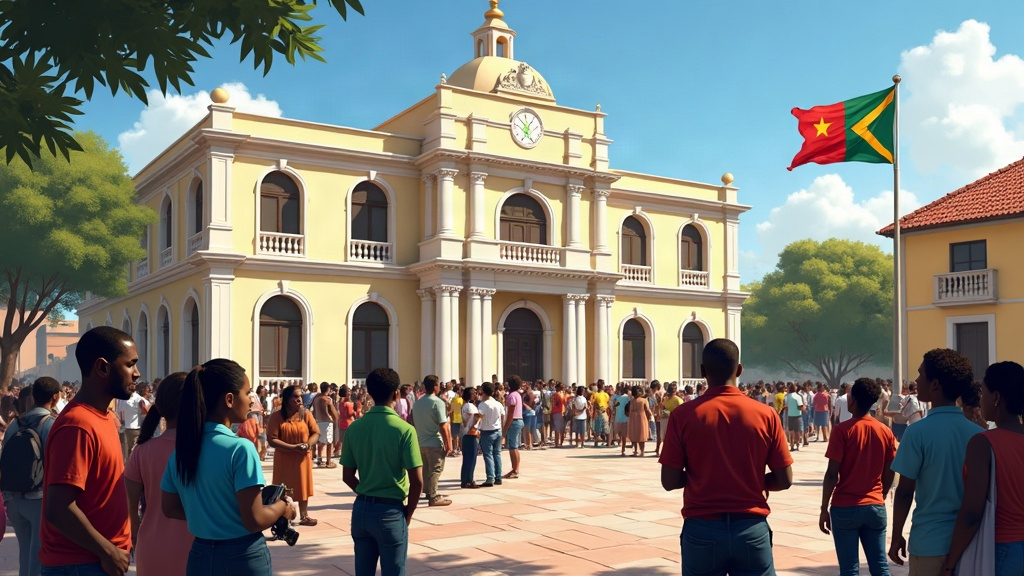
King Charles III is set to address the legacy of slavery and Britain’s colonial past today during a major speech at the Commonwealth Heads of Government Meeting (CHOGM) in Antigua and Barbuda, according to Buckingham Palace. The speech marks the final leg of the King’s nine-day Caribbean tour, which has brought renewed focus to the United Kingdom’s historical role in the transatlantic slave trade and its lingering impact across the region.
Buckingham Palace officials said the King will speak with “unflinching honesty” and “sincere sorrow” about the lasting pain caused by slavery, directly acknowledging the suffering endured by millions. The Palace emphasized that the monarch “will not shy away from confronting the most shameful aspects of the past” during his remarks to Commonwealth leaders gathered in St. John’s, Antigua.
The King’s speech is expected to respect the ongoing discussions between governments regarding the UK’s colonial legacy, with royal sources stressing that decisions about formal apologies remain the responsibility of the government, not the Palace. The address comes as Caribbean nations continue to debate reparations and official apologies for slavery and colonialism.
During earlier stops on his tour, King Charles visited the Bahamas and Guyana, where he referenced the “great suffering of the past.” In Guyana, he paid tribute at the site of a slave rebellion, learning more about the history of slavery and resistance in the region, according to Buckingham Palace. His engagements have also included discussions on environmental issues, youth opportunities, and trade relationships.
The Commonwealth meeting, which brings together leaders from 56 independent countries—many with historical ties to the British Empire—has placed Britain’s colonial history and its consequences at the center of its agenda this week. The Palace spokesperson confirmed that the King intends to address Britain’s historical record directly, stating, “You may therefore expect him to address them in his speech with unflinching honesty, sincere sorrow, and respect for the wider discussions that will be taking place between relevant governments on this issue at CHOGM and beyond.”
The tour has reignited debates in the Caribbean over the UK’s role in slavery and colonialism. According to reports, Prime Minister Andy Burnham has signaled openness to the possibility of the UK issuing a formal apology for its role in the slave trade, though no official announcement has been made.
Royal sources have reiterated that while the King can acknowledge the suffering and express sorrow, any formal apology or reparations are matters for the UK government. This distinction has become a focal point in discussions between Caribbean leaders and British officials during the summit.
Observers note that the King’s visit and remarks are being closely watched by both regional leaders and the British public, as calls for reparations and recognition of historical injustices continue to grow. The Palace has described the King’s approach as one of “listening and learning,” aiming to foster dialogue and understanding.
Why it matters
The King’s decision to address slavery with “unflinching honesty” at the Commonwealth summit is significant for both the UK and its former colonies. By publicly acknowledging the “most shameful aspects” of Britain’s past, King Charles is responding to longstanding demands from Caribbean nations for recognition and redress, as highlighted by his visits to sites of historical suffering in the Bahamas and Guyana.
This speech comes at a time when the Commonwealth, a group of 56 independent countries, is grappling with its own legacy and future direction. The King’s remarks are likely to influence ongoing discussions among member states about reparations and the role of the monarchy, especially as Prime Minister Andy Burnham has expressed openness to a formal UK apology.
The event underscores the evolving relationship between Britain and the Caribbean, with the King’s visit serving as both a symbolic and practical step toward addressing historical grievances. The focus on dialogue and respect for government-led discussions, as emphasized by Buckingham Palace, points to a careful balancing act between royal acknowledgment and political decision-making that will shape future UK-Caribbean relations.
The image accompanying this article is an AI-generated illustrative depiction inspired by the actual scene of the event.