




An appeals court panel has rejected the Trump administration’s request to order California officials to set aside approximately 20,000 mail-in ballots that the administration claimed had been sent to possible noncitizens. The decision, delivered in a 2-to-1 vote, comes just days before the U.S. midterm elections and effectively closes the window for federal intervention in the state’s mail-in ballot procedures before voters head to the polls.
The panel sharply rebuked the administration’s arguments, stating that the request was “plainly unconstitutional” and would undermine the Constitution’s clear allocation of authority over election procedures to the states. The panel wrote that granting the government’s request would “trample California’s authority over its election procedures,” and that any changes to vote-by-mail rules should be addressed by Congress, not the courts.
The Trump administration had argued that the ballots in question were potentially sent to noncitizens, raising concerns about the integrity of the vote. However, the court found these claims unsubstantiated and emphasized that federal courts should not alter balloting rules so close to an election. The ruling leaves little time for the Justice Department to pursue further legal action before Election Day.
According to the court’s order, “If the United States believes different procedures are necessary for vote-by-mail ballots, we believe it should take that suggestion to Congress, not the courts.” The decision underscores the judiciary’s reluctance to intervene in state-run election processes in the final days before voting.
The administration now has the option to appeal to the Supreme Court, but the justices have consistently held that federal courts should avoid making changes to election procedures on the eve of an election. Legal experts note that such last-minute interventions are rare and typically unsuccessful, especially without clear evidence of wrongdoing.
This ruling comes amid heightened scrutiny of election processes nationwide, with the Justice Department expanding investigations into voter roll accuracy and mail-in ballot security in several states. In California, federal grand jury subpoenas have reportedly been issued to local election officials as part of a broader probe into allegations of noncitizen voting, though no substantial evidence has been produced to support these claims.
California officials have maintained that their mail-in ballot procedures are robust and comply with federal and state law. They argue that the Trump administration’s efforts to impound ballots risk disenfranchising eligible voters and undermining confidence in the electoral process.
The court’s decision is the latest in a series of legal setbacks for the Trump administration as it seeks to challenge state election practices in the run-up to the midterms. Republican candidates in several states have faced difficulties maintaining their edge, and the administration has increasingly turned to the courts in search of a structural advantage.
Why it matters
The appeals court’s ruling is significant because it affirms the constitutional principle that states have primary authority over their own election procedures. By rejecting the Trump administration’s attempt to impound 20,000 mail-in ballots, the court has set a clear precedent that federal intervention in state-run elections requires compelling evidence and cannot be justified by unsubstantiated claims.
This decision directly affects the upcoming midterm elections in California, ensuring that all mail-in ballots deemed valid under state law will be counted. It also sends a message to other states and federal officials that last-minute legal challenges to established election procedures are unlikely to succeed without clear legislative backing or evidence of widespread irregularities.
With the Justice Department’s legal avenues narrowing and the Supreme Court historically reluctant to intervene in election rules so close to voting, the focus now shifts to the administration’s next steps and the broader implications for election integrity debates nationwide. The outcome in California is likely to influence similar disputes in other states as the midterms approach.
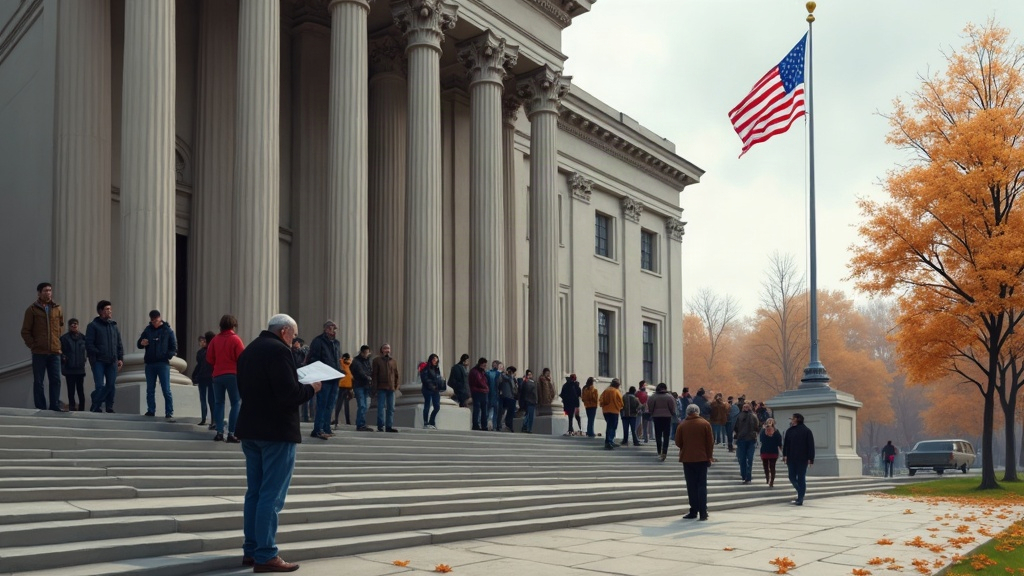
The image accompanying this article is an AI-generated illustrative depiction inspired by the actual scene of the event.