




California’s coastline is facing severe flooding this week as a combination of seasonal king tides, a powerful El Niño, and strong Pacific swells push ocean water into coastal neighborhoods, according to meteorologists and emergency officials. The National Weather Service has issued coastal flood advisories and warnings for much of the state, with some areas experiencing their highest water levels in decades.
On Wednesday morning, high tides reached critical levels in Southern California around 7 a.m., with northern locations affected in the following hours. In San Francisco, Tuesday’s high tide reached just over 10 feet, marking the second highest on record for the city, according to the New York Times. Coastal communities in Marin County, Humboldt County, and Santa Cruz County have reported significant flooding, with evacuation warnings issued for residents along vulnerable roads.
The National Weather Service has warned that all-time high water records could be broken this week, particularly in Orange and San Diego counties, where major to extreme flooding is expected. In Santa Monica, forecasters predicted sea levels could reach up to 8.6 feet on Wednesday morning, a level that threatens to inundate low-lying areas and infrastructure.
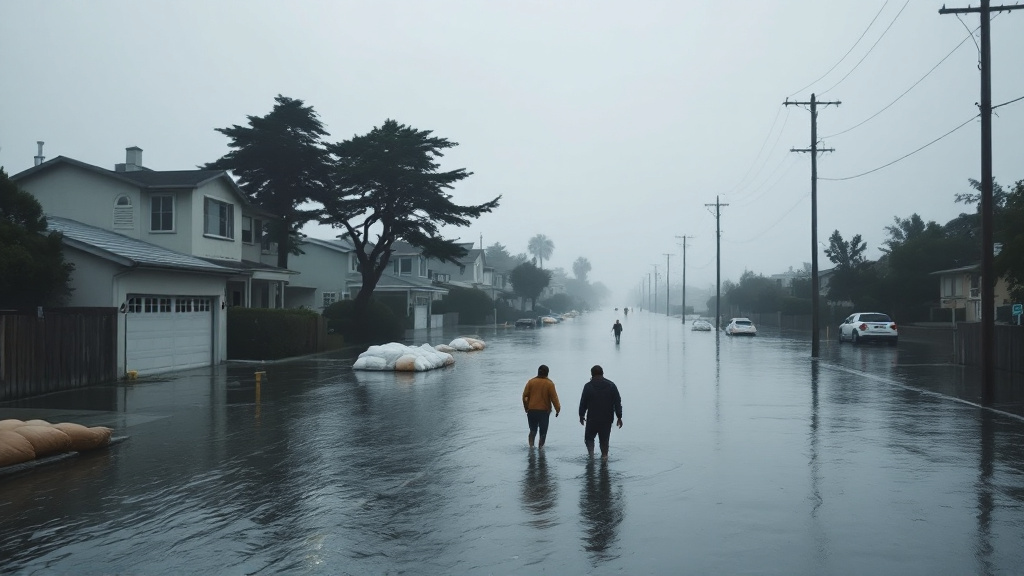
Officials have responded by installing temporary flood walls and distributing sandbags in at-risk neighborhoods. In Humboldt County, the tides reached their second highest level on record, prompting emergency measures to protect homes and businesses. The Los Angeles Times reported that the unprecedented conditions are being driven by higher ocean temperatures and big waves, both linked to the ongoing El Niño event.
San Francisco’s Embarcadero waterfront, a popular tourist destination and commercial hub, has seen seawater spilling onto roadways and areas that rarely flood. City officials have warned that the flooding could disrupt Thanksgiving travel, with rough weather and coastal road closures expected to complicate transit plans across the region.
According to the National Weather Service in San Diego, coastal flooding could remain a concern every two weeks throughout the winter, as king tides return and El Niño continues to elevate ocean levels. The agency noted that coastal Kelvin waves, stirred by El Niño, have raised water levels by as much as a foot along the Pacific Coast, amplifying the effects of the seasonal tides.
While a developing storm initially threatened to worsen the flooding, forecasters said it appeared likely to miss the state, potentially sparing some areas from even more severe impacts. However, the combination of high tides, elevated sea levels, and heavy precipitation continues to pose a significant risk to California’s coastal communities.
King tides occur when the gravitational pull of the sun and moon align to produce the highest tides of the year. This natural phenomenon, combined with the current El Niño—characterized by unusually warm Pacific Ocean temperatures—has led to water levels far above normal. In past strong El Niño years, such as 1983, California experienced similar flooding, but officials say this week’s conditions are pushing the state into “uncharted territory.”
Why it matters
The current flooding highlights the growing vulnerability of California’s coastal infrastructure and communities to extreme weather events. According to the National Weather Service and local officials, the combination of king tides and El Niño-driven sea level rise has already disrupted daily life, damaged property, and threatened holiday travel for thousands of residents.
These events underscore the increasing frequency and severity of coastal flooding as ocean temperatures rise and weather patterns shift. The National Weather Service in San Diego has warned that such flooding could become a regular occurrence throughout the winter, raising concerns about long-term resilience and adaptation for cities like San Francisco, Santa Cruz, and those in Orange and San Diego counties.
With emergency measures already in place and record water levels being set, California’s response to this week’s flooding will be closely watched by other coastal regions facing similar risks from climate-driven sea level rise and extreme weather. The ongoing situation serves as a stark reminder of the challenges posed by a warming climate and the need for robust coastal defenses and preparedness strategies.
The image accompanying this article is an AI-generated illustrative depiction inspired by the actual scene of the event.