




Pope Francis’s newly published private diary details three vivid encounters with what he believed to be the devil, according to excerpts released today. The revelations, included in a book compiled by Cardinal Víctor Manuel Fernández, offer a rare glimpse into the late pontiff’s spiritual struggles and the pressures he faced as leader of the Catholic Church.
The diary, published this week and cited by multiple major news outlets, describes two encounters that occurred while Francis was archbishop of Buenos Aires and a third following a high-profile papal visit to Chile in 2018. In each instance, Francis recounted seeing the devil’s “menacing” and “seductive” eyes, which he described as “eyes of fire,” and in the final encounter, hearing a “powerful raspiness” in the devil’s voice.
According to the diary, the first episode took place about 15 years ago as Francis was returning home in a car. He wrote that he saw the devil from the car window and could not forget the “threatening yet seductive” gaze. The second vision occurred inside a Carmelite chapel during Mass, where the devil’s eyes appeared “like flashes of fire,” even more intense than before.
The third and most recent encounter happened in Rome, shortly after Francis returned from Chile. The trip had been overshadowed by controversy over the Church’s handling of clerical sexual abuse cases. Francis wrote that during a meeting with Vatican officials, he saw the devil and heard his voice, which sounded “triumphant, possessing everything.” The pope recalled the devil declaring, “Now I’ve gotten everything I wanted.”
Francis also described a terrifying vision of “the entrance to hell” on the night before June 7, 2018, which left him so unsettled that he turned to his rosary for protection. He wrote, “I peeked in to look a little and it terrified me,” according to advance copies of the diary cited by international media.
The diary further reveals that Francis experienced a prolonged spiritual crisis between 2021 and 2022, marked by what he called “frequent demonic attacks.” He struggled with temptations of power and omnipotence but ultimately credited God’s mercy with helping him overcome these challenges.
The book, titled ‘The Private Diary of Pope Francis’, compiles handwritten entries spanning from his time as auxiliary bishop of Buenos Aires through his papacy, with the final entry dated August 18, 2024. The diary is being published in several languages, including English, and has already prompted significant discussion within the Catholic community and beyond.
While the diary entries are deeply personal and reflect Francis’s own interpretations, they shed light on the intense spiritual and psychological pressures faced by the head of the Catholic Church, especially during periods of crisis such as the fallout from the Chile abuse scandal.
Vatican officials have not issued an official response to the diary’s publication. However, the revelations are expected to fuel debate about the role of spiritual warfare in the lives of church leaders and the ongoing challenges the Church faces in addressing internal crises.
Why it matters
Pope Francis’s accounts of his encounters with the devil, as described in his private diary, provide an unprecedented window into the personal struggles and spiritual battles of a modern pontiff. The diary’s publication comes at a time when the Catholic Church continues to grapple with the legacy of clerical abuse scandals and questions about transparency and leadership.
The detailed descriptions of visions and spiritual crises, including the infamous Chile trip and its aftermath, underscore the immense burden carried by Francis as he navigated some of the most turbulent moments of his papacy. The diary’s references to “menacing eyes” and a “raspy voice” personalize the abstract concept of evil, making the spiritual challenges faced by Church leaders more tangible for believers and observers alike.
As the Church reflects on Francis’s legacy, these revelations may influence ongoing discussions about the nature of spiritual leadership, the psychological toll of high office, and the importance of personal faith in confronting institutional crises. The diary’s impact will likely be felt among clergy, theologians, and lay Catholics seeking to understand both the man and the office he held.
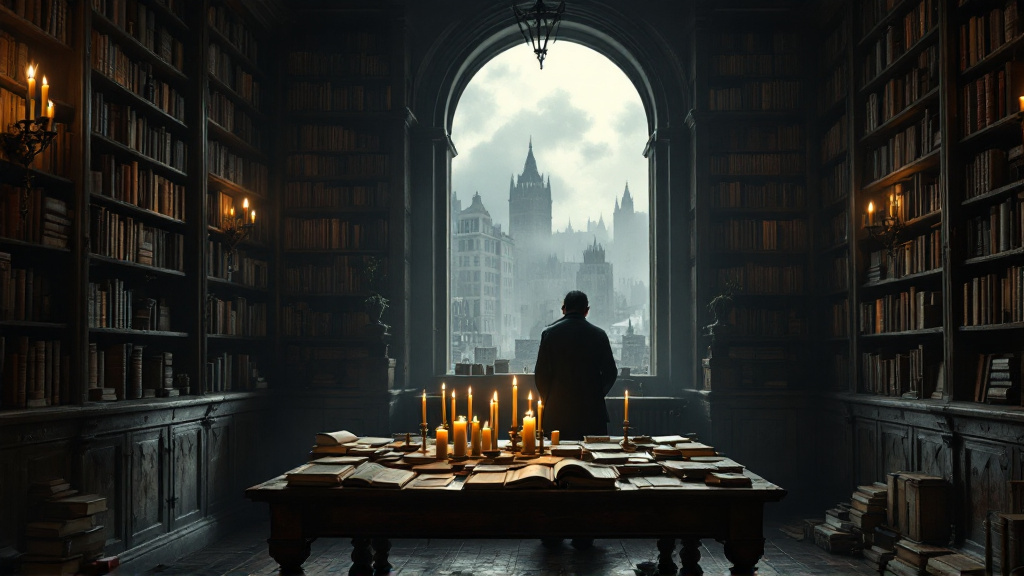
The image accompanying this article is an AI-generated illustrative depiction inspired by the actual scene of the event.