




Russian strikes on Ukraine’s energy infrastructure overnight have left hundreds of thousands of people without electricity, as a humanitarian ceasefire in the Kherson region is set to expire within hours. Ukrainian President Volodymyr Zelensky reported that energy facilities in four regions were targeted, resulting in emergency power cuts and widespread disruptions across the country.
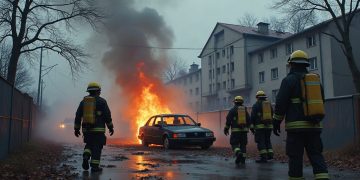
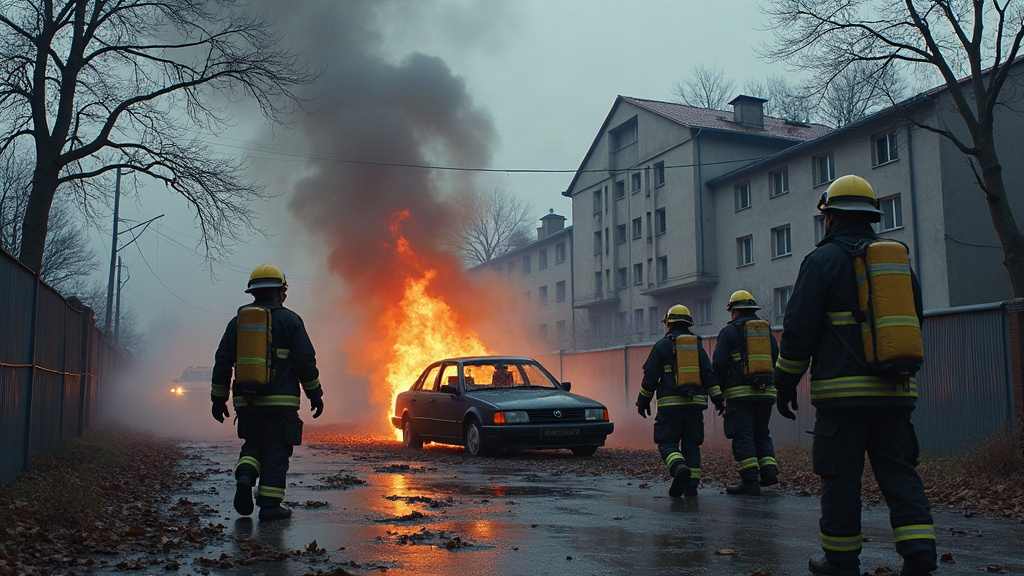
The latest attacks also claimed lives in the Vinnytsia region, where two people, including a 13-year-old girl, were killed, according to Ukraine’s State Emergency Service. Firefighters responded to the aftermath, with images showing burned-out vehicles and emergency crews at the scene.
The humanitarian ceasefire in the Kherson region, which has allowed civilians to evacuate from the Russian-occupied city of Oleshky, is due to end on Sunday night. The truce, which began last week, has held locally, but fighting has continued in other parts of Ukraine.
According to regional officials, repair crews have been working throughout the day to restore electricity. In the Dnipropetrovsk region, most customers had their power restored by early evening, but more than 60,000 remained without supply, the regional governor said. The capital Kyiv has also been affected, with electricity cut off for most of the day and water supplies disrupted.
Ukraine’s energy ministry reported fresh outages across the country, including in Kyiv, following the strikes. Emergency power cuts have been introduced nationwide due to the repeated targeting of energy infrastructure by Russian forces.
While the ceasefire in Kherson has provided a rare pause in hostilities for residents of Oleshky, elsewhere the conflict has shown no sign of abating. Ukrainian strikes have reportedly hit industrial sites inside Russia, including a missile fuel producer in the Rostov region, according to President Zelensky.
Russian-installed authorities in the occupied Lugansk region claimed that Ukrainian strikes had killed four people since Saturday evening. Neither side reported violations of the Kherson ceasefire, which has been described as the longest truce since the start of the full-scale invasion.
The conflict, which began with Russia’s invasion in 2022, has devastated large parts of eastern and southern Ukraine, caused significant civilian and military casualties, and forced millions to flee their homes. The Kherson ceasefire was brokered to allow humanitarian evacuations, but officials from both sides have indicated that broader peace remains elusive.
Why it matters
The latest Russian strikes on Ukraine’s energy infrastructure underscore the vulnerability of the country’s civilian population as winter approaches. With emergency power cuts affecting even major cities like Kyiv, the attacks have immediate humanitarian consequences, disrupting daily life and essential services for hundreds of thousands, according to Ukrainian officials.
The expiration of the Kherson ceasefire removes a rare window of safety for civilians in the Russian-occupied city of Oleshky. According to reports from AFP and BBC, the truce had allowed evacuations and provided a temporary respite from fighting, but its end raises concerns about renewed hostilities and the safety of those who remain.
The situation highlights the ongoing challenges facing Ukraine as it seeks to maintain critical infrastructure under sustained attack. The repeated strikes on energy facilities, combined with continued fighting elsewhere, reflect the broader dynamics of a conflict that has resisted diplomatic resolution, despite localized humanitarian agreements such as the Kherson ceasefire.
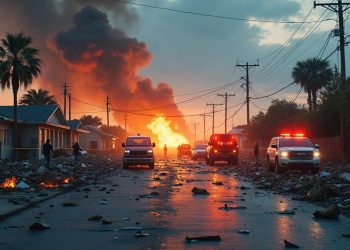
The image accompanying this article is an AI-generated illustrative depiction inspired by the actual scene of the event.