




Nigeria has confirmed its first Ebola case in over a decade, sparking urgent investigations into how the virus entered the country and raising concerns about the rapid spread of the outbreak across Africa. The patient, a Ugandan-born woman who is the wife of a diplomat based in Abuja, tested positive for Ebola after returning from a holiday in Uganda earlier this month, according to Nigerian health authorities and international agencies.
Health officials are working to determine where the woman was exposed to the virus, as there is no evidence she visited the Democratic Republic of Congo (DRC), where the current outbreak began in May. The World Health Organization (WHO) and Africa’s top public health agency have both stated they have not received confirmed information that the Nigerian patient traveled to the DRC, according to multiple sources including Reuters and Al Jazeera.
According to Reuters, the patient arrived in Abuja on October 3 after spending two weeks in Uganda. She began showing symptoms on October 7 and was admitted to a private hospital in the Nigerian capital on October 11, where she was eventually diagnosed with Ebola. The delay in testing—13 days after she first fell ill—has raised concerns about the ability of authorities to contain the outbreak and prevent further transmission.
Officials are also investigating whether the Nigerian patient may have crossed paths with Kenya’s first Ebola patient at Uganda’s Entebbe airport on October 3. Both individuals traveled through the airport on the same day, and investigators are examining whether shared equipment or contact at the airport could have resulted in exposure, according to reports from Al Jazeera and the BBC.
The Africa Centres for Disease Control and Prevention (Africa CDC) has called a crisis meeting of national health officials to address the growing emergency, following confirmation of the Nigerian case. The outbreak, described by the WHO as the fastest-growing Ebola outbreak ever, has now spread to four African countries: the DRC, Uganda, Kenya, and Nigeria. The Bundibugyo strain of the virus has been identified in Nigeria, according to Al Jazeera.
The outbreak in the DRC, which began in May, has already claimed more than 4,000 lives and resulted in over 9,500 cases, according to the European Centre for Disease Prevention and Control. Uganda, which previously declared itself Ebola-free in July after recording 20 cases, has rejected suggestions that the Nigerian patient was infected there, as reported by DW.com.
Nigeria’s Federal Ministry of Health and Social Welfare has stepped up disease surveillance and issued public health advice to travelers. The Nigeria Centre for Disease Control is leading contact tracing efforts and monitoring potential secondary cases. The country previously succeeded in halting an Ebola outbreak in 2014, but officials warn that the current situation is more complex due to the wider regional spread.
As the investigation continues, authorities across the continent are on high alert for further cases. The origin of Nigeria’s first Ebola infection remains unclear, and health agencies are urgently working to trace the patient’s movements and potential contacts. The outcome of these investigations will be critical in determining the next steps in the regional response to the outbreak.
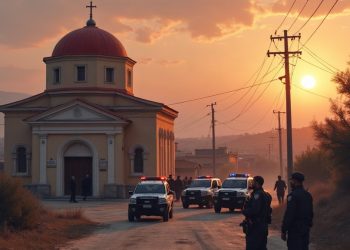
The image accompanying this article is an AI-generated illustrative depiction inspired by the actual scene of the event.