




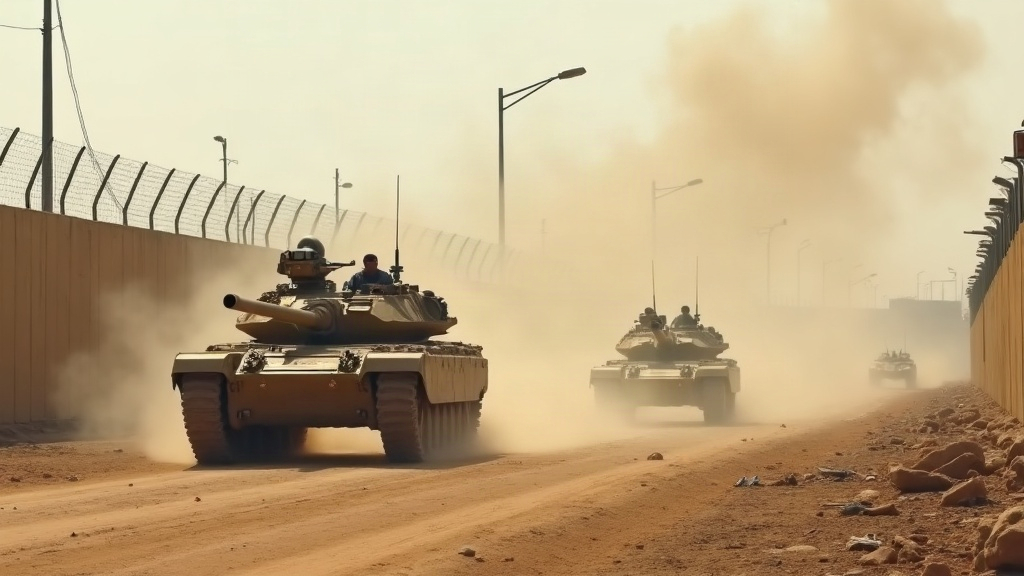
Israeli forces launched a ground operation in central Gaza on Wednesday, sending tanks and troops into areas west of the so-called Yellow Line and prompting dozens of Palestinians to flee. The Israeli military said the operation targeted what it described as Hamas infrastructure in the area, marking the first major incursion into central Gaza since the October 2025 ceasefire agreement.
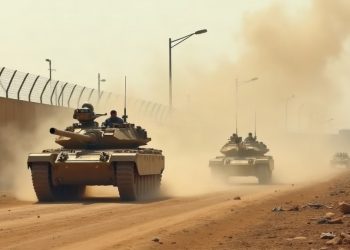
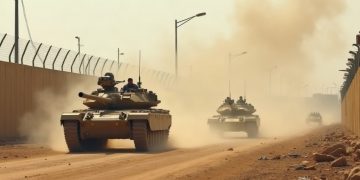
According to statements from the Israeli military, the operation involved both army units and personnel from the Israeli Security Agency. Tanks were seen advancing near the Bureij and Nuseirat refugee camps, with witnesses reporting heavy explosions, live ammunition, and artillery shelling along the main Salahudeen road, a vital north-south artery in Gaza.
The Israeli defence ministry’s body responsible for civilian affairs in the Palestinian territories, known as COGAT, issued evacuation notices to residents in the targeted neighbourhoods, urging them to leave for the duration of the operation. COGAT also warned international aid organisations against moving in the affected areas, according to multiple sources including Reuters and Al-Monitor.
Displaced Palestinians, many of whom have already been forced to move several times since the conflict began, fled shelters and makeshift tents in central Gaza as the military operation unfolded. Reuters reported that dozens of families left their shelters, while Middle East Eye noted that at least two people were wounded by gunfire near the Nuseirat camp.
The Israeli military stated that the incursion was aimed at eliminating “threats” to its forces and dismantling Hamas infrastructure. However, no further details were provided on the specific targets or the immediate trigger for the operation. The sources did not offer a definitive explanation for the timing of the assault.
The ground operation comes more than a year after the October 2025 ceasefire, which established the Yellow Line as a boundary for Israeli-controlled areas in Gaza. Since then, about two-thirds of the Gaza Strip has remained under Israeli control, with the remaining areas subject to periodic military actions and severe restrictions on movement.
Most of Gaza’s 2.1 million residents have been displaced at least once since the war erupted following Hamas’s October 7, 2023 attack on Israel, according to AFP and other news agencies. The humanitarian situation remains dire, with ongoing restrictions on medical evacuations and limited access for aid organisations. According to Gaza’s Health Ministry, over 21,000 patients are currently awaiting permission to leave for medical treatment, far exceeding the weekly quota set by the ceasefire agreement.
Wednesday’s operation has raised concerns among aid agencies and residents about further displacement and the potential for renewed violence in areas previously considered relatively stable under the ceasefire terms. The closure of key roads and warnings to humanitarian groups have further complicated relief efforts in central Gaza.
Why it matters
The Israeli military’s ground operation in central Gaza signals a significant escalation and a potential shift in the status quo established by the October 2025 ceasefire. By advancing tanks beyond the Yellow Line into areas near Bureij and Nuseirat, Israeli forces have entered territory that had not seen major ground incursions for over a year, according to Reuters and Middle East Eye.
This development directly affects thousands of displaced Palestinians, many of whom have already endured repeated evacuations since 2023, as reported by AFP and local witnesses. The renewed fighting and evacuation orders disrupt fragile humanitarian operations, with COGAT’s warnings to aid organisations highlighting the growing risks to both civilians and relief workers in central Gaza.
The operation’s timing and objectives remain unclear, with the Israeli military citing the presence of Hamas infrastructure but providing few specifics. The move raises questions about the durability of the ceasefire and the future of Israeli military policy in Gaza, especially as international attention remains focused on the humanitarian crisis and ongoing restrictions on movement and medical care.
The image accompanying this article is an AI-generated illustrative depiction inspired by the actual scene of the event.