




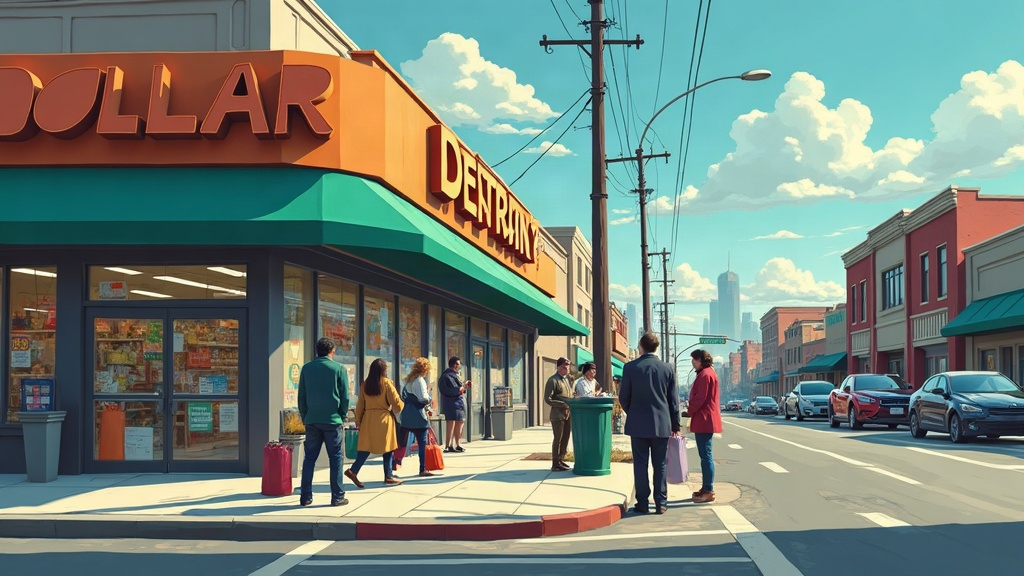
The Federal Trade Commission (FTC) and attorneys general from 20 states have filed a lawsuit against Dollar General, alleging that the discount retailer systematically overcharged customers by charging more at checkout than the prices displayed on shelves, tags, and advertisements. The legal action, announced Monday, accuses Dollar General of deceptive pricing practices that have resulted in millions of dollars in unlawful overcharges and disproportionately affected vulnerable shoppers.
According to the FTC, Dollar General has received tens of thousands of complaints from consumers who discovered that they were charged higher prices than those advertised in stores. Despite these complaints, the agency alleges that Dollar General failed to implement sufficient safeguards or policies to prevent the practice from continuing.
“Dollar General has betrayed the trust of millions of American consumers and imposed significant financial harm on communities and consumers who are already struggling to make their paychecks last,” said Christopher Mufarrige, director of the FTC’s Bureau of Consumer Protection, in a statement accompanying the lawsuit.
The lawsuit claims that the pricing discrepancies occurred at thousands of Dollar General locations across the United States. The company, which operates more than 19,000 stores nationwide, is accused of extracting unlawful overcharges from shoppers, many of whom rely on discount retailers for essential goods.
Shares of Dollar General fell by about 4% following the announcement of the lawsuit, reflecting investor concerns over the potential financial and reputational impact on the company. Dollar General did not immediately respond to requests for comment from media outlets.
This is not the first time Dollar General has faced legal scrutiny over its pricing practices. Earlier this year, the company agreed to pay nearly $1.9 million to settle a similar case in New York, where state authorities alleged that shoppers were routinely charged more than the advertised prices. Ohio, which joined the current FTC lawsuit, has also previously filed suit against Dollar General over pricing discrepancies, marking this as its second legal action on the issue.
The FTC’s complaint alleges that Dollar General’s pricing practices have persisted for years and that the company has failed to take adequate steps to resolve the widespread problem, despite being aware of the scale of consumer complaints. Regulators argue that the retailer’s actions have disproportionately harmed low-income communities, who are more likely to shop at discount chains.
The lawsuit seeks to force Dollar General to implement measures to ensure accurate pricing, provide restitution to affected consumers, and pay civil penalties. The case represents one of the most significant federal and multi-state enforcement actions against a major U.S. retailer in recent years.
Why it matters
The FTC’s lawsuit against Dollar General signals an aggressive stance by federal and state regulators on deceptive pricing in the retail industry, particularly at stores that serve low-income and rural communities. With more than 19,000 locations, Dollar General is a key source of affordable goods for millions of Americans, especially in areas with limited retail options.
The case comes amid heightened scrutiny of pricing practices across the U.S. retail sector, as inflation and economic uncertainty have made accurate and transparent pricing even more critical for consumers. The FTC’s action, along with recent settlements in states like New York, underscores a growing focus on protecting vulnerable shoppers from unfair business practices by large chains.
As the legal process unfolds, the outcome could set important precedents for how retailers are held accountable for pricing accuracy and consumer protection. The case will be closely watched by consumer advocates, industry analysts, and other discount retailers who may face similar regulatory pressures if widespread pricing discrepancies are found in their stores.
The image accompanying this article is an AI-generated illustrative depiction inspired by the actual scene of the event.