




Travelers seeking the ultimate US national park camping experience are unlikely to find a single, universally agreed-upon answer, according to the latest reports and expert commentary. While several parks are praised for their unique landscapes and accessible adventures, sources do not identify one campground as the definitive must-visit for all visitors.
Among the most frequently recommended destinations is Crater Lake National Park in Oregon, noted for its breathtaking views and the ease with which visitors can enjoy its scenery. The park’s Rim Drive offers panoramic vistas of the deep, cobalt-blue lake, allowing campers and day-trippers to experience the park’s natural beauty with minimal physical exertion, according to travel sources.
Lake Clark National Park in Alaska is also highlighted for its distinctive offerings, particularly bear-watching opportunities and glamping experiences. The park’s remote setting and abundant wildlife attract those seeking adventure and a closer connection to nature, with several operators providing comfortable camping options that blend outdoor immersion with modern amenities.
In Arizona, Chiricahua National Park is recognized for its dramatic volcanic landscape, with the Bonita Canyon Campground serving as a base for exploration. The park’s unusual rock formations and diverse hiking trails make it a favorite among visitors interested in geology and unique desert scenery.
Despite these recommendations, no single campground is identified as the top choice for every traveler. Instead, the sources emphasize the diversity of experiences available across the national park system, catering to a wide range of interests and preferences.
Recent news coverage has focused on environmental challenges facing popular parks rather than singling out specific campgrounds. In Yellowstone National Park, for example, staff have collected over 23,000 pieces of trash from thermal pools and surrounding areas this year, including unusual items such as international coins and golf tees, according to Fox News and the New York Post. The accumulation of debris in high-traffic areas like Old Faithful and the Midway Geyser Basin has raised concerns about the impact of tourism on the park’s fragile geothermal features.
Meanwhile, in Yosemite National Park, a 21-mile trail along the South Fork Merced River is set to reopen after being nearly destroyed by wildfire and storms. The restoration effort, led by the nonprofit Mariposa Trails, aims to provide a challenging new option for experienced hikers seeking to explore less-traveled parts of the park, according to the San Francisco Chronicle.
These developments underscore the ongoing tension between increasing visitor numbers and the need to preserve natural resources. Park officials and conservation groups continue to balance access with protection, as the popularity of national parks shows no sign of waning.
Why it matters
The absence of a single, universally recommended campground reflects the vast diversity of the US national park system. With destinations ranging from the volcanic spires of Chiricahua to the remote wilderness of Lake Clark and the iconic vistas of Crater Lake, travelers can tailor their experiences to suit their interests, physical abilities, and desired level of comfort. This variety is a key strength of the national parks, allowing them to serve millions of visitors with different expectations each year.
At the same time, the environmental pressures reported in Yellowstone and the restoration efforts in Yosemite highlight the challenges that come with growing popularity. According to Fox News and the New York Post, the accumulation of trash in Yellowstone’s thermal areas is altering the appearance and health of iconic features like the Morning Glory Pool, while the reopening of Yosemite’s South Fork Merced River trail demonstrates the resilience and dedication of conservation groups such as Mariposa Trails.
As national parks continue to attract record numbers of visitors, the need for responsible tourism and ongoing stewardship is more urgent than ever. The latest reports suggest that while there is no single best campground for everyone, preserving the quality and accessibility of these sites will require sustained effort from both park officials and the public.
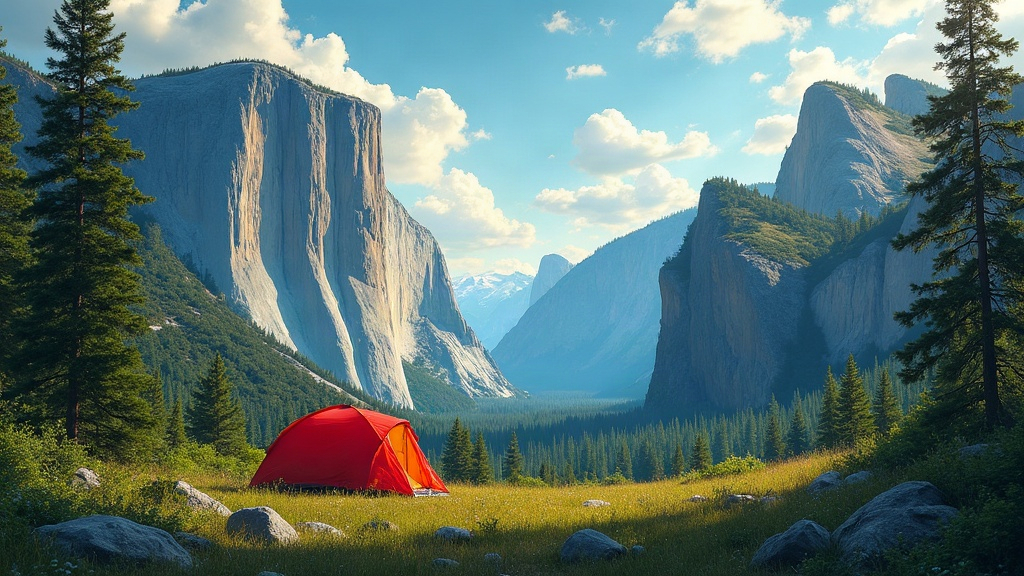
The image accompanying this article is an AI-generated illustrative depiction inspired by the actual scene of the event.