




Air travel across Europe was thrown into disarray today as a wave of bomb threats targeting commercial flights led to emergency landings, diversions, and tarmac searches at airports in several countries. Authorities confirmed that at least 15 flights were affected, with hundreds of passengers evacuated and aircraft inspected by bomb disposal teams. No explosives or hazardous materials were found on any of the planes, officials said.
The incidents unfolded throughout the day, involving flights departing from cities including Copenhagen, Dublin, Helsinki, Madrid, Milan, and Warsaw. Airlines impacted included Aer Lingus, Finnair, Wizz Air, Ryanair, and LOT Polish Airlines, according to official statements and media reports. Some aircraft were diverted to alternate airports, while others were escorted by military jets through national airspace before landing.
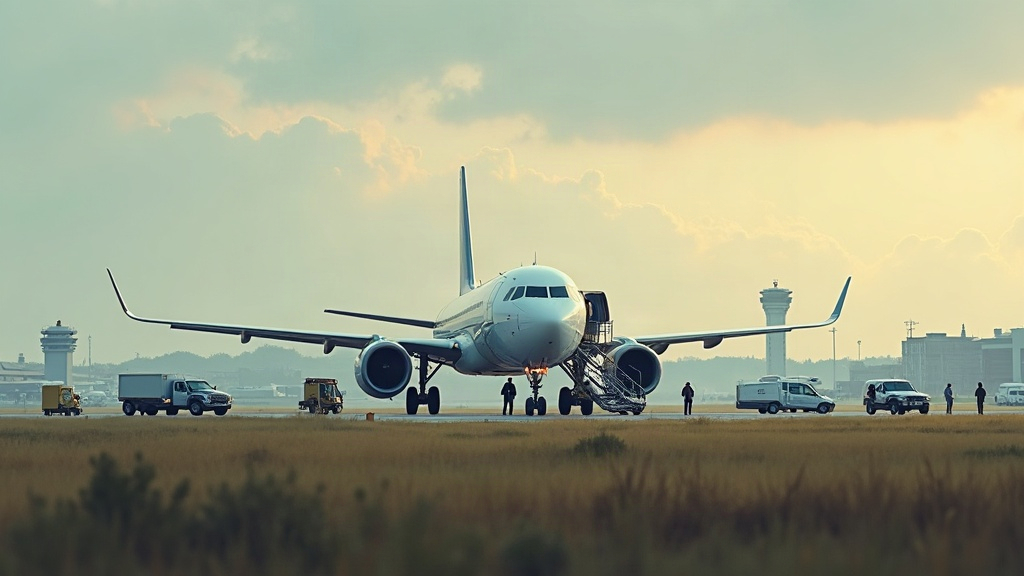
In France, an Aer Lingus flight from Dublin to Rome was diverted to Evreux military air base, where passengers were evacuated and questioned in groups, according to the French authorities. Bomb disposal experts and sniffer dogs conducted thorough searches of the aircraft, with Red Cross vehicles stationed nearby as a precaution. Similar procedures were carried out at airports in Italy and Bulgaria, where three planes were escorted by fighter jets before making emergency landings in Sofia and Plovdiv, the Bulgarian Ministry of Defense confirmed.
All passengers and crew affected by the incidents were reported safe. Authorities in each country stated that no suspicious devices or materials were discovered during the searches. The British government described the threats as “malicious hoaxes,” echoing statements from other European officials who said the warnings were unfounded but had to be taken seriously given the potential risks.
The bomb threats follow a series of similar hoax warnings earlier this week, which also led to flight diversions, military escorts, and extensive security checks. Aviation experts have warned that such incidents are “incredibly irresponsible,” as they divert critical security resources and cause significant disruption to airline operations and passenger travel plans.
Security officials noted that while bomb threats against airlines are not a new phenomenon, the current wave comes amid heightened geopolitical tensions in Europe and a rise in disruptive incidents targeting critical infrastructure. Recent weeks have seen a series of unrelated security alerts, including cyberattacks on supermarket systems and drone incursions into European airspace, contributing to a climate of heightened vigilance.
Investigations are underway in multiple countries to identify the source of the threats. Law enforcement agencies have not released details about any suspects or motives. Officials have urged the public to remain calm but vigilant, emphasizing that all necessary precautions are being taken to ensure the safety of air travel.
Passengers affected by the diversions faced delays and additional security screening but were allowed to continue their journeys once the aircraft were cleared. Airlines have stated they are cooperating fully with authorities and reviewing security protocols in response to the incidents.
Why it matters
The coordinated bomb hoaxes have exposed vulnerabilities in European aviation security, forcing authorities to divert significant resources to respond to threats that ultimately proved unfounded. According to aviation experts cited in the media, these incidents disrupt not only airline operations but also emergency response systems, as bomb disposal teams and military assets are redirected from other potential duties.
The scale and timing of the threats—affecting at least 15 flights across multiple countries—highlight the challenges faced by European governments and airlines in maintaining public confidence amid ongoing geopolitical tensions. The incidents come just days after a previous series of hoax threats, suggesting a possible pattern aimed at sowing disruption and uncertainty within the region’s critical infrastructure, as noted by officials and security analysts.
As investigations continue, authorities are under pressure to identify those responsible and prevent further incidents. The events have prompted calls for enhanced coordination among European security agencies and a review of protocols for responding to similar threats in the future. With no explosives found and all passengers safe, the focus now shifts to restoring normal operations and reassuring the travelling public.
The image accompanying this article is an AI-generated illustrative depiction inspired by the actual scene of the event.