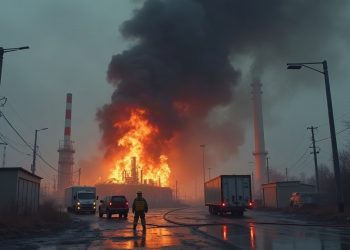






A commercial oil tanker was temporarily disabled after two limpet mines were attached to its hull in the Strait of Hormuz, causing a fire in the engine room, according to security sources cited today. The incident, which occurred in one of the world’s most critical maritime chokepoints, has raised immediate concerns over shipping security and regional stability.
Security sources reported that a small boat approached the tanker and attached two limpet mines, resulting in a fire that disabled the ship’s engine room for a period. The vessel was later stabilized and the crew reported no injuries, but the attack marks a significant escalation in tactics targeting commercial shipping in the area.
The Iranian Revolutionary Guards Navy stated that two oil tankers were involved in an incident and stopped in waters south of the Strait of Hormuz. According to the Guards, the tankers had ignored repeated radio warnings and attempted to use an unauthorized route, prompting the intervention.
While security sources have not provided a definitive answer on the exact nature of the incident or Iran’s direct involvement, the use of limpet mines and the location of the attack have led to widespread suspicion of Iranian responsibility, given previous patterns in the region.
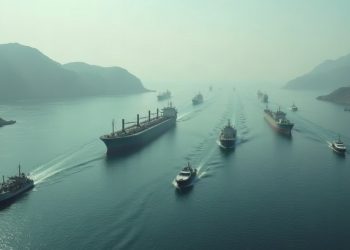
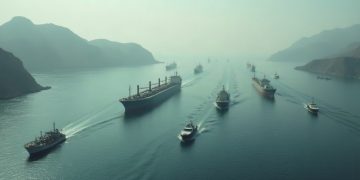
The Strait of Hormuz is a narrow passage connecting the Persian Gulf with the Gulf of Oman and the Arabian Sea. It is a vital transit route for global oil shipments, with roughly one-fifth of the world’s petroleum passing through its waters daily. Any disruption in this area has immediate implications for global energy markets and regional security.
Past incidents in the Strait have often involved sabotage or attempted seizures of vessels, but the reported use of limpet mines in this case suggests a possible tactical shift. Limpet mines, which are attached directly to a ship’s hull below the waterline, can cause significant damage while making attribution more difficult.
There has been no immediate claim of responsibility for the attack. Iranian officials have not confirmed the use of mines but have emphasized that the tankers were stopped for violating maritime protocols. Security analysts note that incidents in the Strait of Hormuz often lead to heightened tensions between Iran and Western powers, particularly the United States and its allies, who maintain a naval presence in the area to safeguard shipping lanes.
International shipping companies operating in the region have been advised to increase vigilance and review their security protocols. Insurance premiums for vessels transiting the Strait are expected to rise in response to the latest incident, reflecting the elevated risk environment.
Why it matters
The reported use of limpet mines in the Strait of Hormuz represents a notable tactical shift in maritime security threats in the region. According to security sources, such methods are designed to disable vessels quickly while complicating efforts to assign clear responsibility, raising the stakes for both commercial operators and regional navies.
This incident directly affects global oil supply chains, as the Strait of Hormuz is a critical artery for energy exports from the Gulf. Any disruption, even temporary, can have ripple effects on international oil prices and insurance costs. The involvement of Iran’s Revolutionary Guards Navy, which confirmed the stopping of two tankers, underscores the ongoing tensions over freedom of navigation and maritime law enforcement in these contested waters.
With no definitive attribution yet, the attack highlights the persistent volatility in the Gulf and the risks faced by commercial shipping. The situation will be closely monitored by governments and industry stakeholders, as further escalation could threaten broader regional stability and global energy security.
The image accompanying this article is an AI-generated illustrative depiction inspired by the actual scene of the event.