




Russian President Vladimir Putin has arrived in Shenzhen, China, for a high-profile summit that will see him meet with US President Donald Trump and Chinese President Xi Jinping in the first trilateral talks between the three leaders. The meeting, taking place on the sidelines of the Asia-Pacific Economic Cooperation (APEC) summit, is drawing intense international attention due to its potential impact on global security, trade, and technological competition.
Putin’s plane touched down at Bao’an Airport in Shenzhen on Tuesday, with Russian media broadcasting his arrival live. According to Kremlin foreign policy aide Yury Ushakov, the talks are highly symbolic, referencing the historical cooperation between the countries during World War II and the founding of the United Nations. The Kremlin is reportedly seeking a joint communique following the summit.
The trilateral meeting, scheduled for Thursday, is set to address a range of critical issues, including regional trade, investment, artificial intelligence, and supply chain resilience. According to officials cited by CBS News and NBC News, the agenda will also cover nuclear arms control, the ongoing war in Ukraine, and US restrictions on advanced AI chips.
President Trump is currently on a multi-day trip across Asia, which includes a state visit and lunch with Philippine President Bongbong Marcos before he travels to Shenzhen for the summit. The White House has indicated that nuclear non-proliferation will be a central topic, especially as conflicts in Ukraine and Iran continue to dominate international headlines.
Chinese President Xi Jinping, hosting the APEC summit, is expected to hold separate bilateral meetings with both Trump and Putin before the three leaders come together. The summit marks Trump’s third face-to-face meeting with Xi this year, underscoring the significance of US-China relations amid ongoing trade and technology disputes.
Officials have not provided details on what outcomes, if any, are expected from the trilateral talks. However, the Kremlin’s push for a joint communique suggests an effort to present a united front or at least signal areas of agreement on global challenges.
The summit is taking place against the backdrop of heightened tensions over the Russia-Ukraine war, US-China trade disputes, and recent US restrictions on the export of advanced AI chips to China. Analysts cited by NBC News have highlighted the so-called “Nvidia scandal” as a key point of contention, reflecting broader concerns about technological competition and supply chain security.
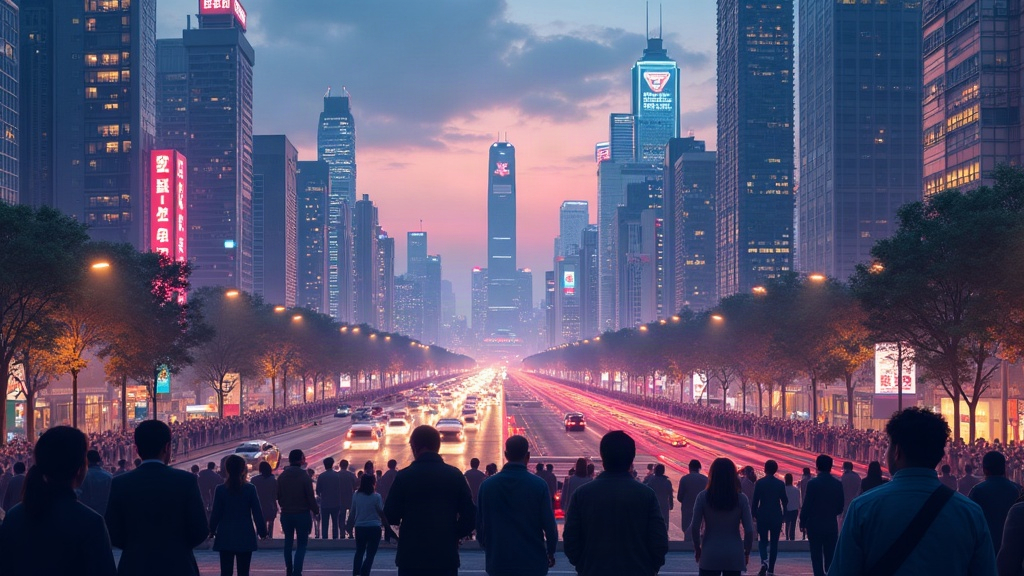
Security is tight in Shenzhen, with the city’s skyline illuminated ahead of the summit and leaders from nearly two dozen Asia-Pacific economies in attendance. The APEC summit itself is expected to focus on economic recovery, regional cooperation, and innovation, but the trilateral meeting is widely seen as the main event.
Why it matters
This summit represents the first time the leaders of the US, China, and Russia have met together in a trilateral format, signaling a potential shift in great power diplomacy. The meeting comes as global tensions run high over the war in Ukraine, sanctions, and the technological rivalry between Washington and Beijing. The presence of all three leaders at one table underscores the urgency of addressing issues that transcend bilateral relationships, such as nuclear arms control and supply chain resilience.
The Kremlin’s pursuit of a joint communique indicates Russia’s interest in leveraging the summit to counter Western isolation and seek common ground with China and the US on select global challenges. Meanwhile, US officials have highlighted nuclear non-proliferation and Iran as priorities, reflecting Washington’s security concerns. The focus on artificial intelligence and advanced technology, including the ongoing debate over US chip export restrictions, highlights the intersection of economic and security interests for all three powers.
With the APEC summit drawing leaders from across the Asia-Pacific, the outcome of the Trump-Xi-Putin meeting could influence not only the immediate participants but also the broader international community. Observers are watching closely for any signals of cooperation or confrontation that could shape the global order in the months ahead.
The image accompanying this article is an AI-generated illustrative depiction inspired by the actual scene of the event.