




The United States and China have held their first meeting of a new bilateral trade council, launching talks aimed at reducing tariffs and addressing longstanding trade disputes between the world’s two largest economies. The meeting, conducted via video conference on Friday, focused on a reciprocal tariff-reduction arrangement worth $30 billion on each side, as well as agricultural trade and the implementation of previous agreements, according to official statements from both governments.
China’s Ministry of Commerce described the discussions as “candid, in-depth and constructive,” highlighting a shared commitment to continue using the council to resolve trade concerns and expand cooperation. US officials confirmed that the talks included detailed discussions on tariffs, market access for agricultural products, and the need to implement outcomes from earlier negotiations.
The two sides agreed to pursue a mutual reduction of import tariffs on goods valued at a combined total of about $60 billion, with each country preparing to cut tariffs on $30 billion worth of products, according to reports from Reuters and other international media. The agreements cover a range of goods, including agricultural produce and household appliances.
The establishment of the new trade council follows a recent agreement between US President Donald Trump and Chinese President Xi Jinping. The council is designed as a mechanism to facilitate ongoing economic and trade consultations, with the aim of resolving disputes and ensuring the implementation of previous commitments.
Particular attention was given to agricultural trade, a sector that has been heavily affected by tariffs during the protracted US-China trade dispute. Both sides indicated that a working group has been set up within the council to address market access and regulatory restrictions for agricultural products, with its first meeting scheduled by the end of the year, according to Ukrmedia.
Officials from Washington stated that while substantial tariffs would remain in place to counter what they described as unfair trading practices by China, the new arrangement could bring greater stability to bilateral economic relations, especially in selected sectors such as agriculture. Beijing, for its part, emphasized the importance of maintaining communication and narrowing differences through the council.
The timing of the trade council meeting is significant, as it comes just days before a scheduled meeting between Presidents Xi and Trump in Shenzhen on the sidelines of the Asia-Pacific Economic Cooperation (APEC) forum. Observers note that the trade council’s progress could set the tone for high-level talks between the two leaders.
The main tariff agreements discussed at the meeting are expected to come into force once internal procedures in both countries are completed. Both sides have signaled that the council will remain the primary forum for addressing outstanding trade issues and expanding areas of cooperation.
Why it matters
The launch of the US-China trade council and the agreement to pursue $60 billion in mutual tariff reductions mark a notable shift in the ongoing trade relationship between the two countries. According to statements from both governments, the focus on agricultural trade and the creation of a dedicated working group signal a willingness to address key sectors that have been at the heart of previous disputes.
This development is particularly significant for American farmers, ranchers, and manufacturers, who have been affected by tariffs and regulatory barriers. The US Office of the Trade Representative stated that the new mechanism is intended to benefit these groups by facilitating market access and reducing trade friction.
The timing of the meeting, ahead of the Xi-Trump summit at the APEC forum, suggests that both sides are seeking to demonstrate progress and reduce tensions before high-level diplomatic engagements. The establishment of the trade council, as reported by Reuters and other outlets, provides a structured platform for ongoing dialogue and could help stabilize economic relations at a critical juncture for global trade.
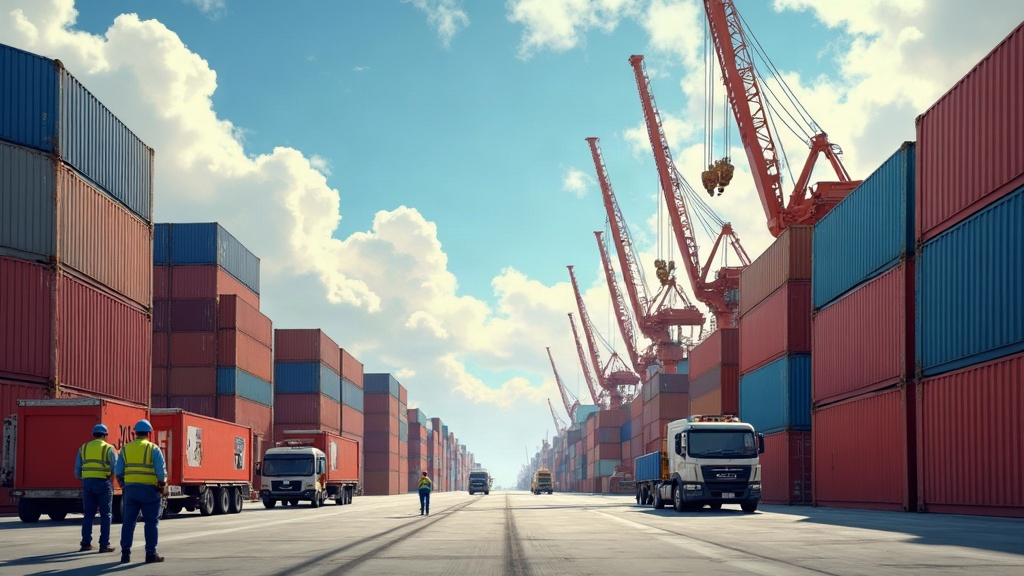
The image accompanying this article is an AI-generated illustrative depiction inspired by the actual scene of the event.