





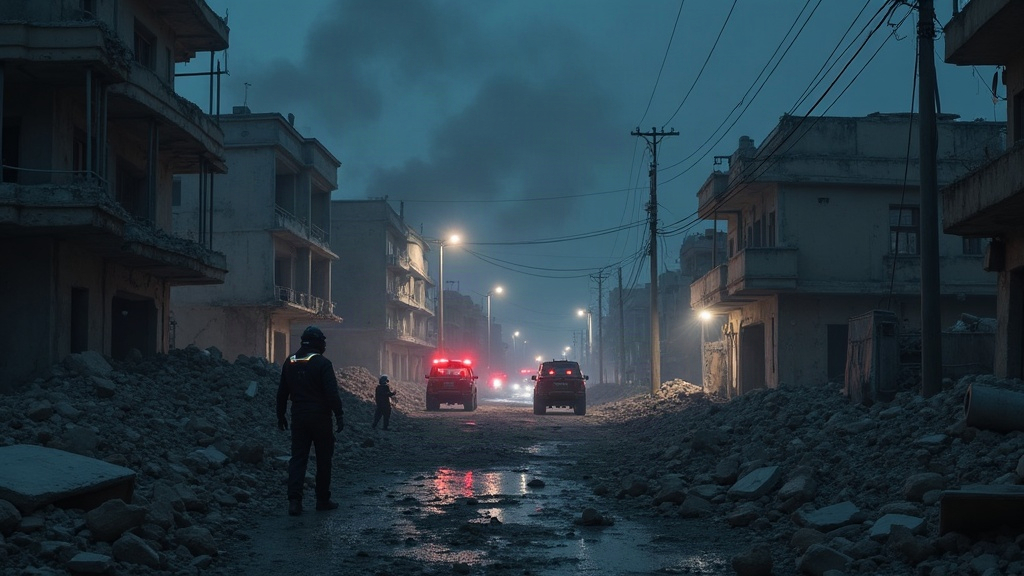
A senior commander in Hamas’ armed wing, Samir Abu Younis, was killed in an Israeli airstrike in the southern Gaza Strip, according to statements from Hamas and medical officials. The strike targeted Abu Younis on Saturday night in the Mawasi area of Khan Younis, marking one of the most significant targeted killings since the ceasefire agreement reached in October 2025.
Hamas’ armed wing, the Al-Qassam Brigades, identified Abu Younis, 53, as the commander of its Rafah brigade and confirmed his death in a statement released on Sunday. The group said Abu Younis had played a key role in planning and overseeing the October 7, 2023, attack on Israel, which triggered the latest round of conflict in Gaza.
The Israeli military said on Sunday it had targeted a senior commander in Hamas’ armed wing, but did not name the individual. In a joint statement with the Shin Bet security agency, Israeli officials said the strike was aimed at a high-ranking Hamas military figure, without providing further details.
Medical officials and rescuers reported that Abu Younis was killed and several others were wounded when the airstrike hit a street in the Mawasi area. The casualties were taken to the Nasser Medical Complex in Khan Younis, where ambulances and emergency staff responded to the aftermath of the attack.
According to Hamas, Abu Younis joined the group’s armed wing in 1991 and rose through the ranks to hold several senior operational positions in Rafah before becoming brigade commander. His funeral was scheduled to take place in Khan Younis on Sunday afternoon, with local media reporting a significant security presence in the area.
The killing comes despite a fragile ceasefire that has been in place since October 2025, which halted major combat operations in Gaza but has not ended Israeli airstrikes or resolved underlying tensions. The ceasefire agreement did not result in the disarmament of Hamas, and sporadic violence has continued in the enclave.
Since the October 2025 ceasefire, targeted strikes and security incidents have persisted, with both sides accusing each other of violations. Israeli officials have maintained that operations against what they describe as “terrorist threats” will continue as long as Hamas retains military capabilities in Gaza.
Hamas’ confirmation of Abu Younis’s death was accompanied by statements lauding his role in the group’s military operations and vowing to continue resistance. The group’s armed wing described the commander as a “martyr” and called for continued support from its members and supporters.
Why it matters
The targeted killing of Samir Abu Younis, a senior Hamas commander directly linked to the October 7, 2023, attack on Israel, is a significant development in the ongoing conflict between Israel and Hamas. According to Reuters and other sources, Abu Younis was responsible for overseeing military operations in the Rafah area, making his death a notable blow to Hamas’ command structure.
This strike underscores the fragility of the ceasefire that has been in place since October 2025. Despite the agreement, Israeli military actions against Hamas leadership continue, highlighting unresolved security concerns and the lack of a comprehensive political solution. The persistence of such operations signals that the ceasefire has not addressed the root causes of the conflict or led to the disarmament of militant groups in Gaza.
The killing is likely to inflame tensions in southern Gaza and could provoke further violence or reprisals. The ongoing instability in the region affects not only the immediate security situation but also complicates efforts by international mediators to broker a lasting peace. With Hamas vowing to continue its resistance and Israel maintaining its policy of targeting militant leaders, the prospects for durable calm remain uncertain.
The image accompanying this article is an AI-generated illustrative depiction inspired by the actual scene of the event.