




China’s trade surplus has surged past the $1 trillion mark for the second consecutive year, reaching $1.04 trillion in the first ten months of 2026, according to official customs data released today. The milestone was achieved at a record pace, a full month earlier than last year, as soaring exports of high-tech goods fueled by the global artificial intelligence (AI) investment boom continued to drive the country’s foreign trade performance.
Exports in October rose sharply by 35.2% from the same month a year earlier, according to data cited by Reuters and the Associated Press. This robust growth was led by high-value products such as semiconductors, electronics, and autos, which have seen heightened international demand as companies and governments worldwide accelerate investment in AI infrastructure.
Despite the historic surplus, the monthly trade gap narrowed in October to $105.3 billion, down from $133.5 billion in September. This shift came as imports also posted strong gains, rising 41.6% year-on-year according to China’s General Administration of Customs. The increase in imports reflects both the rising cost of raw materials and components for high-tech manufacturing and some signs of recovering domestic demand.
China’s total imports and exports grew by 20% over the first ten months compared to the same period last year, outpacing the 18.8% growth seen in the first nine months, official data showed. Analysts quoted by RTHK and Reuters expect the country to surpass last year’s record $1.2 trillion trade surplus if current trends continue through the end of the year.
The persistent and growing trade surplus has drawn renewed attention from China’s major trading partners, particularly the European Union and the United States. Both have called on Beijing to take further steps to boost domestic demand and rebalance its economy, warning that the widening gap could exacerbate trade tensions and lead to new frictions over market access and tariffs.
Chinese officials have responded by emphasizing their commitment to more balanced global trade. According to statements reported by the Financial Times, top policymakers in Beijing say they do not seek a larger surplus and are working to strengthen domestic consumption and economic resilience.
The export boom has been driven in large part by the rapid global rollout of AI technologies, which has increased demand for Chinese-made hardware and components. Economists at Moody’s Analytics told RTHK they expect strong export momentum to continue, especially in electronics and autos, as the international AI race intensifies.
However, some analysts caution that the current dynamic—strong exports amid relatively weaker domestic demand—could deepen structural imbalances within China’s economy. The Financial Times notes that while export-led growth has supported overall economic expansion, it may also delay necessary reforms to boost household consumption and reduce reliance on foreign markets.
Why it matters
The record-setting trade surplus underlines China’s central role in the global supply chain for high-tech products, particularly as the world races to build out AI infrastructure. According to Reuters and official customs data, the surge in exports has been instrumental in supporting China’s economic growth this year, even as domestic demand remains subdued.
This development is likely to sharpen trade tensions with major partners such as the European Union and the United States, who have already voiced concerns about the growing imbalance. The Financial Times reports that these partners are pressing Beijing for policy changes to address the persistent surplus and to open Chinese markets further to foreign goods and services.
Looking ahead, analysts cited by RTHK and Reuters expect China’s export strength to remain a key driver of its economy as long as global demand for AI-related products stays high. However, the ongoing imbalance between exports and imports could prompt renewed calls for economic reforms inside China and more assertive trade measures from its partners, making the country’s trade policy a focal point in international economic relations for the rest of the year.
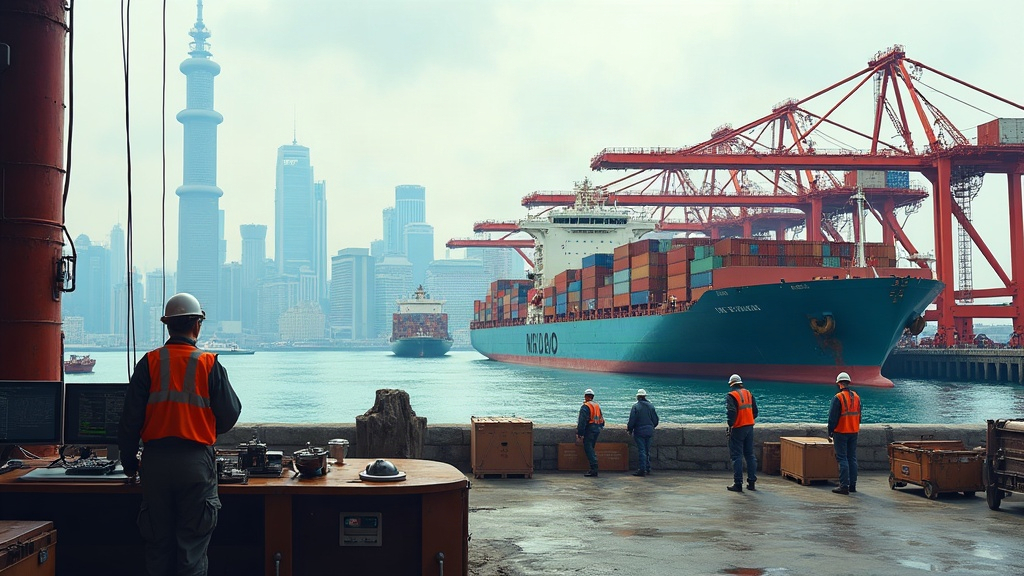
The image accompanying this article is an AI-generated illustrative depiction inspired by the actual scene of the event.