





Hackers have breached the US Air Force’s flagship cloud computing platform, Cloud One, potentially putting sensitive military applications and personal data at risk, according to multiple sources cited by Reuters and other outlets. The intrusion was discovered during a system upgrade within the past month, prompting immediate concern over the security of critical Air Force operations.
Cloud One is one of the largest cloud infrastructures used by the US military, handling a wide range of data including personnel records, logistics, air defense radar, and missile tracking across more than 200 Air Force locations worldwide. The breach has led to disruptions across the platform, with some applications affected and administrative access for certain users revoked, according to sources familiar with the matter.
According to Reuters, the breach was uncovered as Air Force personnel worked to upgrade the system. Investigators have since called in US Cyber Command to assess the damage and determine the full extent of the intrusion. The Air Force has not commented on the specific vulnerabilities exploited or the operational status of its networks, stating only that it continuously takes measures to protect its information and mission capabilities.
One source described the hackers’ method as exploiting a software vulnerability in the platform’s control plane, which functions like a universal remote for the system. This level of access could theoretically allow intruders to monitor the operational status of military aircraft or track the movement of spare parts, though it remains unclear whether such actions occurred in this case.
The identity of the hackers, the precise vulnerability used, and whether any data was stolen have not been established, according to Reuters and other reports. The breach has resulted in a halt to the migration of additional applications to Cloud One and a pause in software updates, as officials work to contain the incident and evaluate potential impacts.
Cloud One supports several mission-critical systems, including the Air Force’s Cloud-Based Command and Control, which integrates air defense radar and other data across North America, and the Theater Integrated Combat Munitions System, which tracks bombs and missiles globally. The platform was developed by contractors, with Science Applications International Corp (SAIC) serving as the prime contractor until 2025, after which Leidos took over. Both companies declined to comment or referred inquiries to the Air Force.
The incident comes amid heightened concerns about cybersecurity across US government agencies, following a series of high-profile cyberattacks in recent years. The Air Force’s refusal to disclose details about the breach reflects longstanding policies on operational security and the sensitivity of military networks.
Officials have not disclosed when normal operations might resume or whether any operational missions have been directly affected. The ongoing investigation by US Cyber Command is expected to clarify the scope of the breach and inform future security measures for military cloud platforms.
Why it matters
The breach of Cloud One is significant because the platform underpins a wide array of US Air Force operations, from personnel management to real-time tracking of military assets. According to sources cited by Reuters and the New York Post, the control plane vulnerability could have given hackers broad access to critical systems, raising concerns about national security and the protection of sensitive data.
This incident echoes recent cyber intrusions targeting US government infrastructure, highlighting persistent vulnerabilities in even the most secure networks. The involvement of US Cyber Command underscores the seriousness of the breach and the potential for far-reaching consequences if sensitive tactical or personnel information was exposed.
As the Air Force pauses application migrations and software updates to address the breach, the incident is likely to influence future cybersecurity strategies for military cloud services. With Cloud One supporting vital command and control functions, the outcome of the investigation will be closely watched by defense officials, contractors, and allied governments concerned about the resilience of shared digital infrastructure.
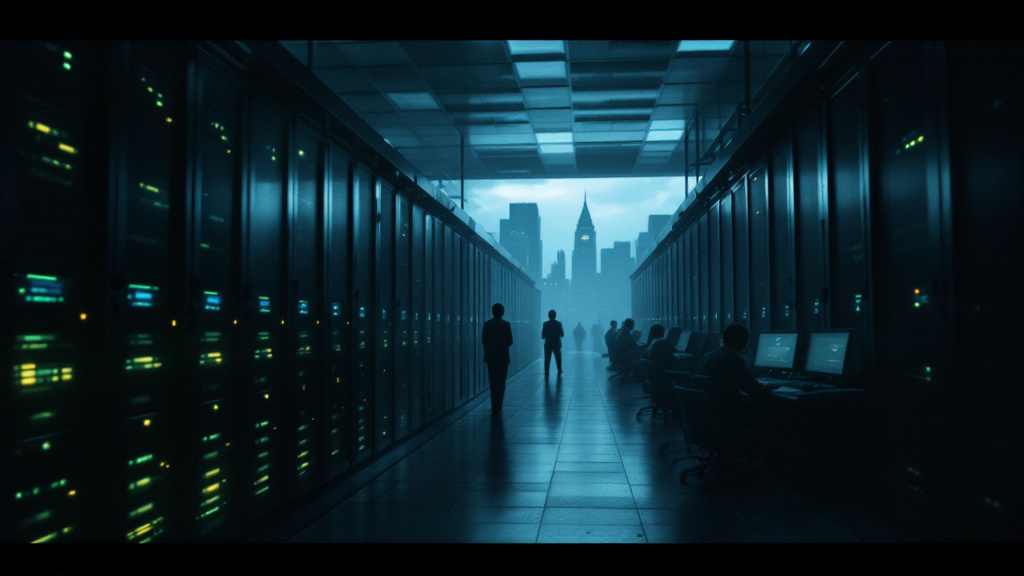
The image accompanying this article is an AI-generated illustrative depiction inspired by the actual scene of the event.