





Clocks across Georgia and most of the United States are set to fall back by one hour at 2 a.m. on Sunday, marking the end of daylight saving time despite a state-level push to make the change permanent. Residents will gain an extra hour of sleep but face earlier sunsets as the nation transitions to standard time.
Georgia lawmakers previously passed a bill aimed at keeping the state on daylight saving time year-round. However, according to local news outlet WSB-TV, the measure cannot take effect without congressional approval, which has not yet been granted.
The twice-yearly ritual of changing clocks remains in place for now, as federal law continues to require states to observe standard time for part of the year unless Congress acts to allow permanent daylight saving time. The U.S. House approved legislation in July that would make daylight saving time permanent nationwide, but the measure has not yet become law.
This year, the end of daylight saving time falls on November 1, coinciding with Halloween for the first time in several years. The change means that sunset will occur earlier in the evening, affecting daily routines and potentially public safety during evening activities.
Georgia is one of several states that have passed legislation in recent years to adopt permanent daylight saving time, reflecting growing public interest in eliminating the biannual clock changes. However, all such state laws are contingent on federal authorization, which remains pending.
According to WSB-TV, the current situation leaves Georgia residents subject to the national schedule, with clocks moving back each fall and forward each spring until Congress enacts a change. The ongoing debate has sparked discussions about the benefits and drawbacks of permanent daylight saving time, including impacts on health, productivity, and energy use.
While some advocates argue that staying on daylight saving time year-round would provide more daylight in the evening and reduce confusion, others point to concerns about darker mornings, especially for schoolchildren and commuters.
For now, the only immediate change for Georgians and most Americans is the adjustment of clocks and the shift in daylight hours. Officials continue to urge the public to remember the change and use the opportunity to check smoke detectors and review emergency plans.
Why it matters
The ongoing delay in federal approval for permanent daylight saving time keeps millions of Americans, including those in Georgia, locked into the longstanding practice of changing clocks twice a year. According to WSB-TV, Georgia’s legislative efforts reflect a broader movement among states to modernize timekeeping laws, but the lack of congressional action means these changes remain out of reach for now.
This issue affects daily life for residents, businesses, and schools, as the time change alters routines, impacts sleep patterns, and can influence public safety, particularly around events like Halloween. The U.S. House’s approval of a nationwide permanent daylight saving time bill in July signals momentum, but until federal law changes, states like Georgia must adhere to the current system.
The debate over daylight saving time is likely to continue, with advocates and opponents citing various health, economic, and social factors. As more states pass similar bills and pressure mounts on Congress, the future of timekeeping in the United States remains a closely watched topic.
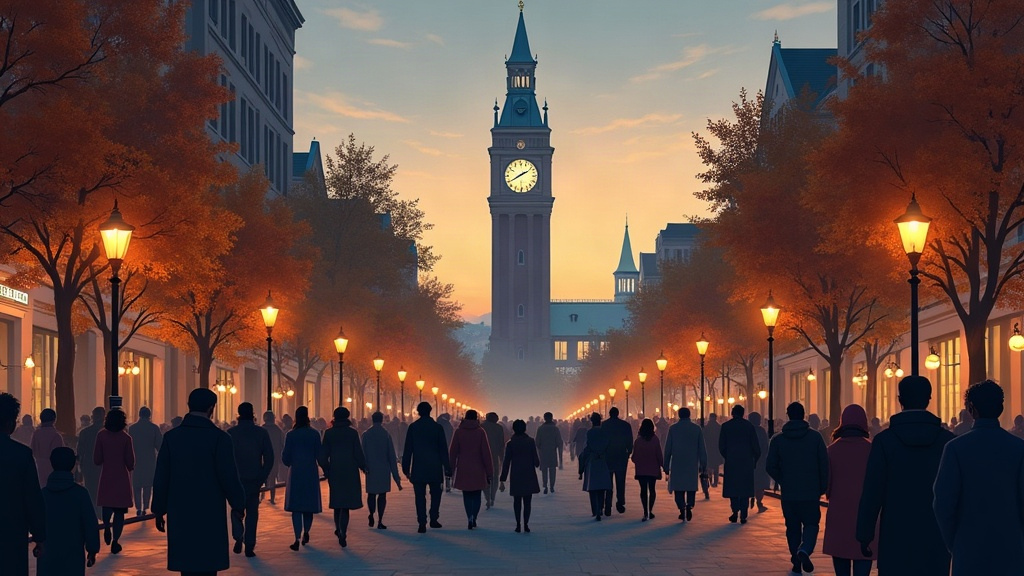
The image accompanying this article is an AI-generated illustrative depiction inspired by the actual scene of the event.