





Mexican special forces have captured Fausto Isidro Meza Flores, known as ‘El Chapo Isidro’, in a major overnight operation in the state of Sinaloa, authorities confirmed today. The arrest of the alleged cartel boss, one of the FBI’s ten most wanted fugitives, triggered a wave of violence as security forces clashed with suspected cartel gunmen in the area.
According to Mexico’s defense ministry, the operation was carried out by army special forces and the National Guard in coordination with U.S. intelligence agencies. Meza Flores, a leader of the Beltrán Leyva criminal organization, was apprehended in the city of Guasave on Friday night, alongside two other leaders of his drug-trafficking group.
The military raid set off armed confrontations across Sinaloa, with cartel members reportedly erecting flaming roadblocks and engaging security forces in firefights. Social media footage from Guasave showed helicopters firing at ground targets, residents fleeing a baseball stadium as gunfire erupted nearby, and others seeking shelter by a night market.
Mexican authorities said the capture was achieved using “stealth and surprise.” The country’s security chief stated that the operation was part of a broader crackdown on organized crime in the region, which has been a stronghold for several major drug cartels.
Meza Flores had been sought by U.S. authorities for more than a decade, facing charges related to drug trafficking and firearms offenses. The U.S. State Department has described him as a key figure in smuggling heroin, methamphetamine, cocaine, and marijuana into the United States over the past 20 years. A $5 million reward had been offered for information leading to his arrest.
Officials noted that the operation was the result of intelligence sharing between Mexican and U.S. agencies, though few details were provided about the specifics of the collaboration. The Mexican government said in an early Saturday report that intelligence from the Trump administration contributed to the successful capture.
The arrest comes amid heightened pressure from the United States for Mexico to take stronger action against powerful drug trafficking organizations. The U.S. designated the Sinaloa Cartel as a Foreign Terrorist Organization in February 2025, expanding the legal and financial tools available for targeting cartel assets and members.
The immediate aftermath of the operation saw widespread panic among civilians in Sinaloa. Residents were forced to shelter indoors as gun battles erupted, and public events, including a baseball game, were disrupted by the violence. Authorities have not yet reported any casualties among civilians or security forces.
The central question now is whether Mexican authorities will extradite Meza Flores to the United States. Under the 1978 U.S.–Mexico Extradition Treaty, extradition requires a diplomatic request, judicial review, and executive approval. Between February 2025 and January 2026, Mexico extradited 92 individuals to the U.S., according to the Department of Justice.
Why it matters
The capture of Meza Flores represents a significant blow to the Beltrán Leyva Organization and its operations in northern Mexico. As one of the FBI’s most wanted fugitives, his arrest marks a major victory for both Mexican and U.S. law enforcement agencies, who have pursued him for years due to his alleged role in trafficking large quantities of drugs into the United States.
This operation underscores the growing cooperation between Mexican and U.S. security forces, as highlighted by the Mexican government’s acknowledgment of U.S. intelligence support and the recent U.S. designation of the Sinaloa Cartel as a Foreign Terrorist Organization. Such collaboration is likely to shape future joint efforts against transnational criminal networks.
The aftermath of the raid, including the violent response from cartel members and the disruption of civilian life in Sinaloa, illustrates the ongoing risks faced by communities caught in the crossfire of anti-cartel operations. The decision on whether to extradite Meza Flores will be closely watched in both countries, potentially affecting future security cooperation and the broader fight against organized crime.
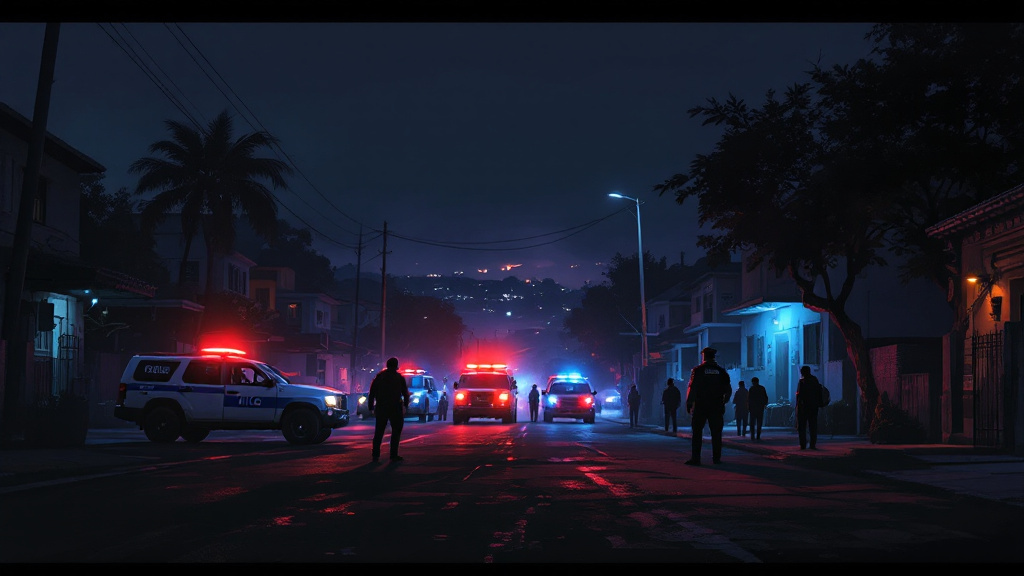
The image accompanying this article is an AI-generated illustrative depiction inspired by the actual scene of the event.