




US President Donald Trump, Chinese President Xi Jinping, and Russian President Vladimir Putin have gathered in Shenzhen for a historic trilateral meeting on the sidelines of the Asia-Pacific Economic Cooperation (APEC) summit, according to multiple international news sources.
This marks the first in-person meeting between the leaders of the United States, China, and Russia, three of the world’s most powerful nations. The talks, reportedly initiated by President Putin, are expected to last less than an hour and have drawn global attention due to the high stakes and the rare convergence of these rival powers.
While the full agenda has not been made public, officials and sources cited by the BBC, DW, and The Telegraph indicate that discussions are likely to focus on several pressing international issues. These include the ongoing war in Ukraine, nuclear arms control, the conflict in Iran, and growing trade tensions between the US and China. Developments in artificial intelligence and digital cooperation are also expected to feature, reflecting the summit’s broader economic and technological themes.
President Xi personally greeted President Trump at the airport on Wednesday, an unusual gesture interpreted by analysts as a signal of diplomatic respect. Images from the summit show the three leaders shaking hands, with Xi embracing Trump on the tarmac. Putin and Trump also exchanged greetings ahead of the summit’s official reception, underlining the significance of the encounter.
According to the Kremlin, the trilateral meeting is intended to be “highly useful” and will involve “in-depth exchanges on safeguarding world peace and promoting strategic stability in major-power relations.” However, Chinese officials have provided few details about the specific topics or expected outcomes. US officials have confirmed that President Trump will also hold separate bilateral meetings with both Xi and Putin during the summit.
Observers note that the timing of this meeting comes amid heightened global tensions. Russia’s ongoing invasion of Ukraine remains a central issue, with Western nations, led by the US, maintaining sanctions against Moscow. Meanwhile, the conflict in Iran and concerns over nuclear proliferation have put additional strain on international relations. Trade disputes and competition in advanced technologies, such as artificial intelligence, have further complicated ties between Washington and Beijing.
Shenzhen, the host city, is known as a hub for manufacturing and technological innovation, making it a symbolic setting for discussions on economic and digital cooperation. The APEC summit itself has been overshadowed by these high-level political talks, as world leaders seek common ground on issues that have far-reaching implications for global stability.
While no major breakthroughs are expected from the brief trilateral session, the mere fact of the meeting is seen by analysts as a significant diplomatic moment. The leaders’ willingness to engage directly reflects a recognition of the need for dialogue amid deepening divisions and ongoing conflicts.
Why it matters
The first-ever in-person meeting between the leaders of the US, China, and Russia signals a potential shift in the dynamics of global diplomacy. According to The Telegraph and BBC, the talks are expected to address nuclear arms control and the wars in Ukraine and Iran—issues that have dominated international security discussions and strained relations between these major powers.
With China, Russia, and the US possessing the world’s largest nuclear arsenals, any dialogue on arms control or strategic stability carries significant weight. The Kremlin’s statement that the meeting will focus on “safeguarding world peace” highlights the stakes involved, especially as the Ukraine conflict continues and new security challenges emerge in the Middle East and Asia.
The outcome of these talks may not yield immediate agreements, but the willingness of Trump, Xi, and Putin to meet face-to-face sets a precedent for future engagement. As trade tensions and technological competition intensify, the international community will be watching closely for signs of cooperation—or confrontation—among these global leaders.
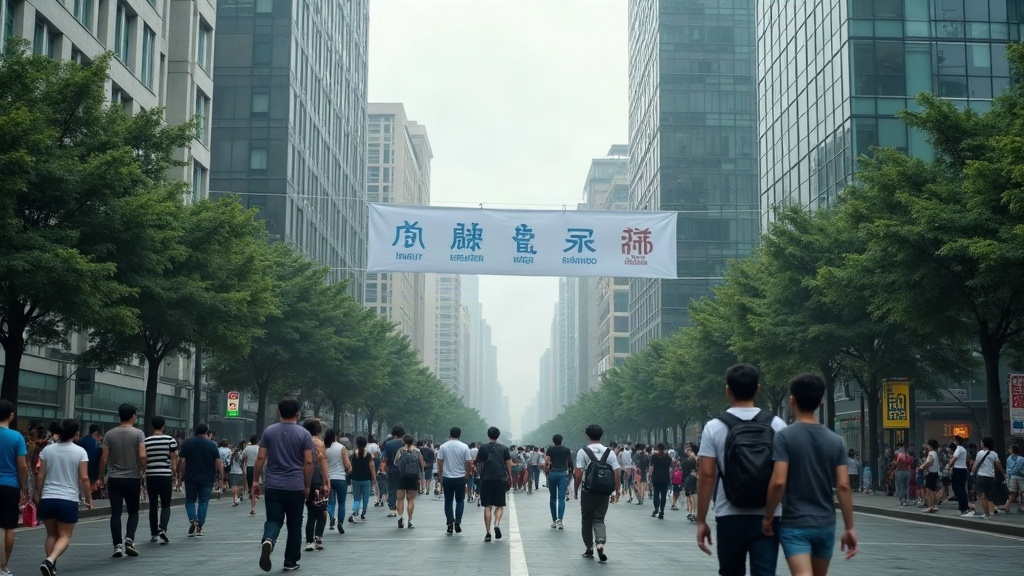
The image accompanying this article is an AI-generated illustrative depiction inspired by the actual scene of the event.