





European authorities are calling for immediate measures after a wave of cyberattacks disrupted supermarket refrigeration systems in at least 11 countries, including Germany, Romania, and the United Kingdom. The attacks, which began earlier this week, have resulted in widespread food spoilage and forced supermarkets to discard large quantities of perishable goods, raising concerns about the security of the continent’s food supply chain.
According to officials and company representatives, the incidents affected supermarkets in nine EU countries on Monday—Belgium, Estonia, Finland, Ireland, Italy, Luxembourg, the Netherlands, Portugal, and Sweden. On Tuesday, four supermarkets in Germany and six in Romania reported similar disruptions. The UK, which is no longer part of the EU, was also targeted in the attacks.
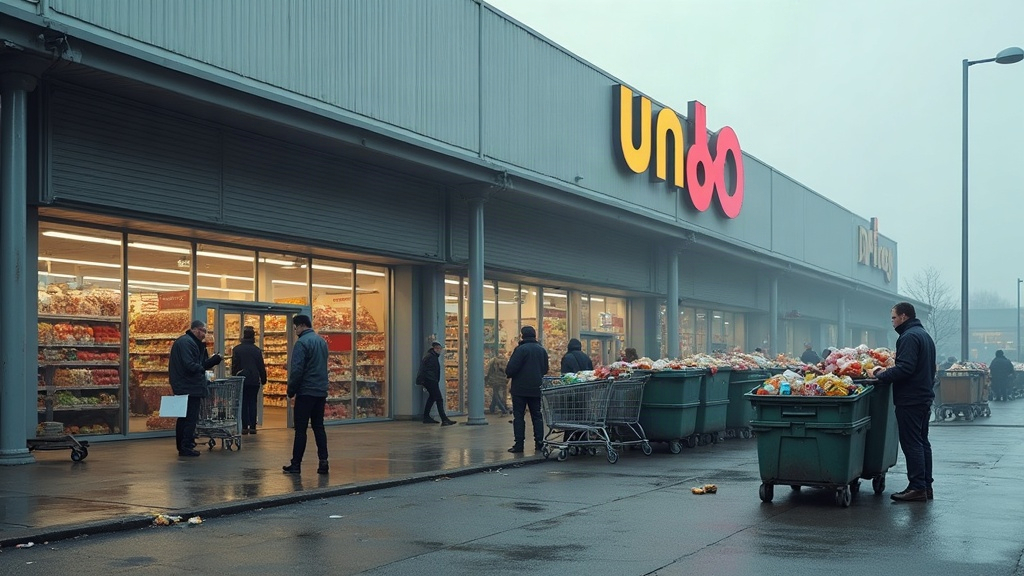
Employees at affected stores were seen disposing of spoiled food, with images from Sweden showing large containers filled with discarded products after hackers reportedly raised freezer temperatures to as high as 50 degrees Celsius. The scale of the attacks has prompted the European Union to warn of a deliberate attempt to disrupt the food supply chain, though the precise motive remains unknown and no group has claimed responsibility so far.
Thomas Regnier, a spokesperson for the EU, said today that the bloc’s agencies are in talks with national authorities to coordinate a joint response. “With disconnecting, you haven’t fixed the root cause, but you’ve at least isolated those systems so that an attacker is not able to do this anymore,” Regnier told Reuters, emphasizing the urgency of isolating vulnerable systems from the public internet.
Romania’s cybersecurity chief described the attacks as “semi-amateurish” and stated that there is no indication of a state actor being involved. This assessment was echoed by other officials, who noted that the attacks did not display the sophistication typically associated with nation-state operations.
In the UK, the National Cyber Security Centre (NCSC) said it is working with affected organizations and described the national impact as “minimal.” However, the incidents have highlighted ongoing concerns about the vulnerability of critical infrastructure, particularly in sectors such as food distribution that rely heavily on automated systems.
The attacks have not resulted in any reports of ransom demands or direct threats to public safety, but the disruption to supermarket operations has caused significant logistical and financial challenges. Authorities have not yet identified the perpetrators or their motives, and investigations are ongoing across multiple jurisdictions.
This series of cyber incidents comes as European governments and businesses face increasing pressure to strengthen their cybersecurity defences. The EU’s warning about the coordinated nature of the attacks suggests that supermarkets and other critical infrastructure operators may need to reassess their exposure to cyber threats.
Why it matters
The supermarket cyberattacks have exposed vulnerabilities in the food supply chain across Europe and the UK, underscoring the growing risks posed by cybercrime to essential services. The EU’s rapid response and coordination with national authorities reflect the seriousness with which the bloc views threats to food security, especially when multiple countries are targeted simultaneously.
According to statements from the EU and national cybersecurity officials, these incidents highlight the urgent need for supermarkets and other critical infrastructure providers to review and upgrade their cybersecurity practices. The fact that Romania’s cybersecurity chief described the attacks as “semi-amateurish” suggests that even relatively unsophisticated operations can cause widespread disruption if basic security measures are lacking.
With no clear motive or perpetrator identified, the attacks serve as a warning that critical sectors remain at risk from a range of threat actors. The EU’s efforts to coordinate a joint response and the NCSC’s engagement in the UK demonstrate the importance of cross-border cooperation in addressing cyber threats that do not respect national boundaries. Ongoing investigations and increased vigilance are expected as authorities work to prevent further incidents and protect the integrity of the food supply chain.
The image accompanying this article is an AI-generated illustrative depiction inspired by the actual scene of the event.