




The United States has approved the sale of 500 Patriot PAC-3 air defense missiles to Ukraine, a move valued at approximately $2.1 billion and funded through donations from Canada, Germany, and Norway. The decision, announced by the US State Department on Friday, comes amid ongoing tensions between Washington and Kyiv and marks a significant boost to Ukraine’s air defense capabilities.
According to Reuters and NBC News, the sale will be conducted through a US program that allows allied countries to finance arms transfers to Ukraine. No American funds are involved in the transaction, US officials confirmed. The Patriot missiles are among the most advanced air defense interceptors in the US arsenal, designed to counter ballistic and cruise missile threats.
The approval follows weeks of heightened diplomatic friction between the US and Ukraine. Ukrainian President Volodymyr Zelensky has repeatedly urged Western governments to provide additional defensive weapons, arguing that Ukraine’s ability to repel missile attacks depends on timely and sufficient supplies of advanced systems.
In a recent interview with CNN, Zelensky stated that acquiring even a limited number of Patriot missiles would enable Ukraine to neutralize Russian ballistic missile threats. The State Department emphasized that the proposed sale supports US foreign policy and national security objectives by strengthening the security of a partner country that contributes to political and economic stability in Europe.
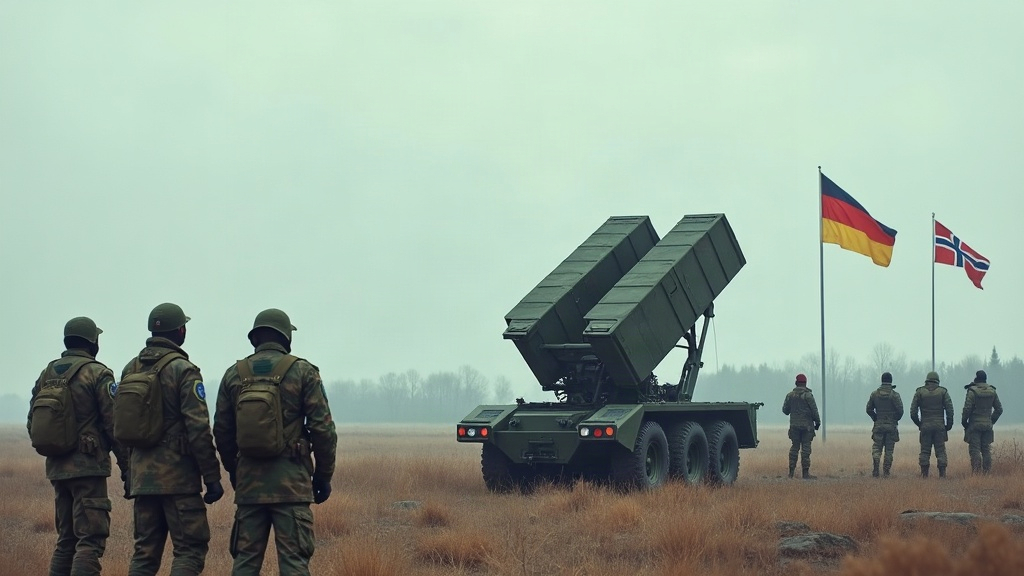
The funding arrangement for the missiles is notable, as the entire purchase is being financed by Canada, Germany, and Norway. These countries have pledged support for Ukraine’s defense against Russian aggression and are channeling resources through US procurement channels to expedite delivery.
Patriot missile systems have played a key role in Ukraine’s efforts to defend its cities and infrastructure from Russian airstrikes. The PAC-3 variant, which Ukraine will receive, is specifically designed to intercept and destroy incoming missiles at high altitudes and speeds.
This latest approval comes as the US administration faces complex policy decisions regarding its support for Ukraine. Earlier this month, President Donald Trump announced a deal to allow Russian diesel exports to global markets and waived certain sanctions related to Russian fossil fuel sales, moves that have drawn scrutiny from both US lawmakers and international partners.
Despite these tensions, the decision to approve the Patriot missile sale is widely seen as a diplomatic win for Zelensky, who has made international appeals for more robust military assistance. Western officials have described the transfer as crucial for maintaining Ukraine’s defensive posture and deterring further escalation by Russian forces.
Why it matters
The US approval of the Patriot missile sale, funded entirely by allied donations, marks a significant shift in how Western countries are coordinating military aid to Ukraine. By leveraging contributions from Canada, Germany, and Norway, the US is able to provide advanced weaponry without direct American financial involvement, addressing domestic debates over the scale and cost of US support.
For Ukrainian President Volodymyr Zelensky, the deal represents a major diplomatic achievement and addresses his persistent calls for more advanced air defense systems. According to CNN and NBC News, Zelensky has argued that the Patriot system is essential for countering Russian missile attacks, and Western officials have echoed the importance of strengthening Ukraine’s defenses amid ongoing hostilities.
The transfer of 500 Patriot PAC-3 missiles is expected to enhance Ukraine’s ability to protect its cities and military infrastructure from aerial threats. As the conflict with Russia continues, the delivery and operational deployment of these missiles will be closely watched by both allies and adversaries, with implications for the broader security landscape in Europe.
The image accompanying this article is an AI-generated illustrative depiction inspired by the actual scene of the event.