




New York City has voted to phase out its historic horse-drawn carriage industry, setting a deadline of June 1, 2028, for a complete ban on the operation of horse-drawn cabs in the city. The move, passed by the City Council, marks a significant shift for one of Manhattan’s most recognizable tourist attractions and comes after years of debate over animal welfare and public safety.
The new legislation will halt the issuance of new licenses for carriage horses, horse-drawn cabs, and their drivers as of June 1, 2028. Existing licenses will expire at the end of May 2028, according to city officials. The measure also mandates a “humane disposition” for the horses and requires a transition plan for the more than 150 active drivers by April 2027.
The ban, which takes effect in less than two years, prohibits the sale of horses for slaughter or their transfer to other carriage companies. The law aims to ensure that the animals are not sent into harmful situations after their retirement from city streets.
Supporters of the measure, including animal rights advocates, have long argued that the use of horses in busy urban environments is inhumane and poses risks to both animals and the public. Safety and animal abuse concerns were cited as key reasons for the council’s decision, according to CBS News.
The Transport Workers Union, which represents the carriage drivers, has strongly opposed the ban and vowed to pursue legal action. The union argues that the legislation threatens the livelihoods of drivers and stable workers who depend on the industry.
While the council’s decision sets a clear timeline for the end of horse-drawn carriages, it does not specify what, if anything, will replace the iconic rides in Central Park and other tourist areas. According to available reports, no official plans have been announced for alternative forms of tourism or transportation in the affected areas.
Horse-drawn carriages have been a fixture of New York City’s tourism industry for generations, offering rides through Central Park and along city streets. The industry has faced increasing scrutiny in recent years, with multiple incidents involving horses collapsing or being injured in traffic drawing public outcry and renewed calls for reform.
Advocates for the ban have pointed to these incidents as evidence that the industry is outdated and incompatible with modern urban life. Opponents, including drivers and some local business groups, maintain that the carriages are a cherished tradition and a source of employment for many New Yorkers.
Why it matters
The City Council’s decision to ban horse-drawn carriages marks a major shift in New York City’s approach to animal welfare and tourism. According to CBS News, the move comes after years of advocacy and public debate, reflecting changing attitudes toward the treatment of working animals in urban environments.
The legislation will directly impact more than 150 drivers and their families, as well as the horses themselves, who must now be placed in homes or sanctuaries under the law’s humane disposition requirement. The Transport Workers Union’s promise of legal action signals that the controversy is far from over and that the transition may be contentious.
The absence of a clear replacement for the horse-drawn carriages leaves open questions about the future of tourism in Central Park and surrounding areas. As the city moves forward with the ban, officials and stakeholders will need to address both the economic and cultural implications of ending a long-standing New York tradition.
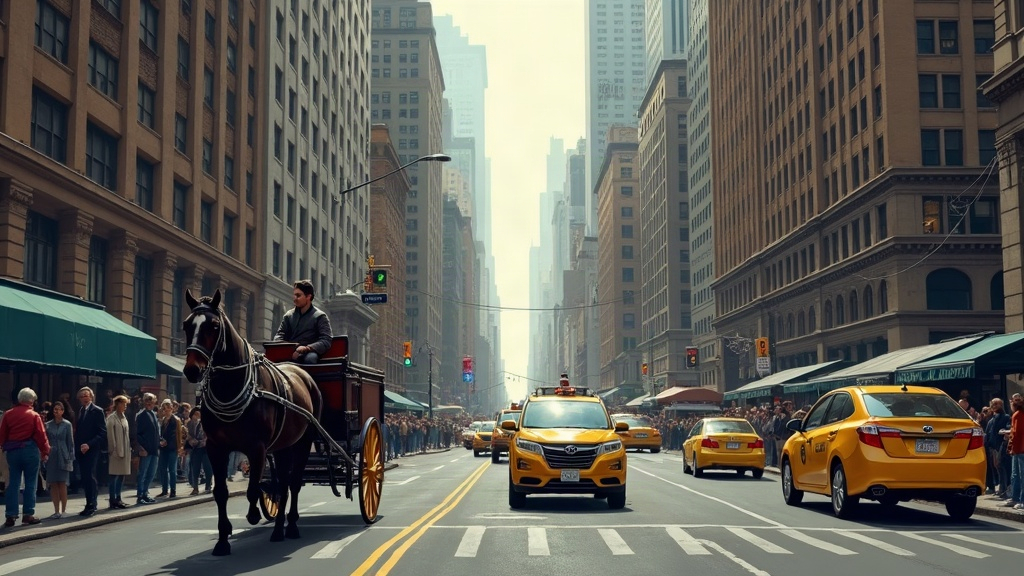
The image accompanying this article is an AI-generated illustrative depiction inspired by the actual scene of the event.