



Following a program initiated in the 1950s, China has heightened its ambition to lead in the science of weather modification. The country has been utilizing cloud seeding technology to increase rainfall and, recently, it has intensified this effort through the use of advanced technology.
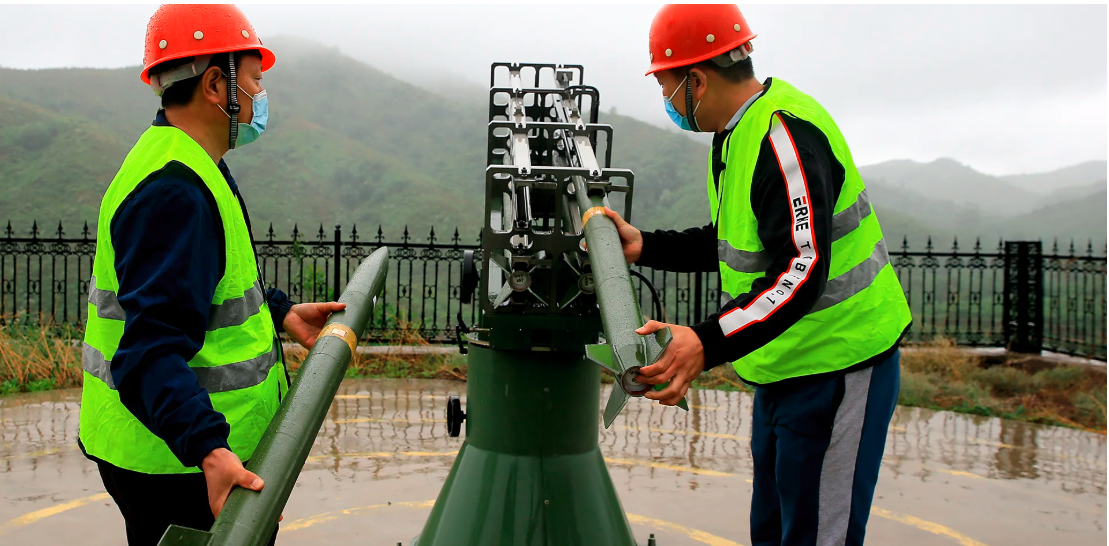
The cloud seeding method involves injecting substances into the clouds that stimulate the process of rainfall. While the science behind it is complex, the basic principle is that certain particles can attract water droplets, causing them to combine and become heavy enough to fall as rain.
In China, this idea is not new. Since the mid-20th century, the Asian giant has been employing this method, primarily to address issues of water scarcity and to enhance agricultural productivity. Today, with the technologically advanced era upon us, China is gearing up to advance its cloud seeding program, leveraging modern equipment and techniques.
The country claims to have a comprehensive national program dedicated to weather modification. It is seen as a strategic move to control one of the most unpredictable forces of nature, potentially safeguarding the country from adverse weather conditions like droughts or excessive rain and the associated risks and damages.
However, there continues to be a level of skepticism about the effectiveness of such programs. Apart from technical inadequacies, critics argue that the long-term effects on ecosystems and climate systems have not been adequately researched and understood. While the possibilities offered by weather modification are tantalizing, the concerns raised underline the need for a cautious approach.
Despite the criticism, China appears undeterred in its ambition to master weather modification, even as it navigates the uncharted waters of this relatively untapped area of science. The nation’s commitment to developing this field further demonstrates its determination to secure a leading edge in the arena of innovative technologies.