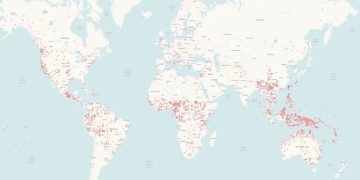




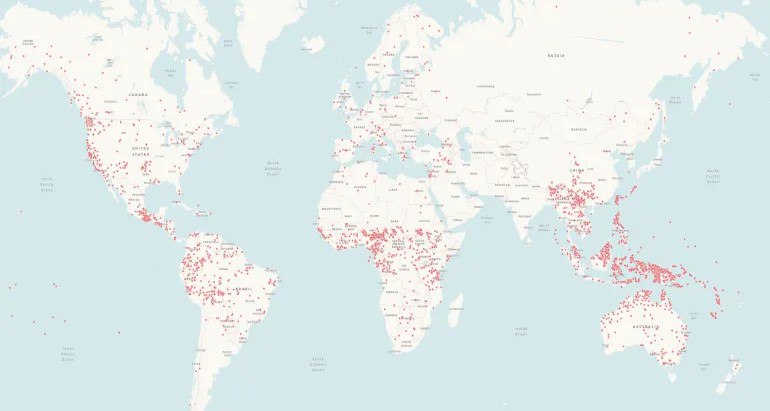
Special attention is paid globally to linguistic diversity on February 21, marked as the World Mother Language Day. In this context, it is important to throw light on the languages that are on the brink of disappearing. Some of the world’s most endangered languages have been found in areas including Indonesia, Papua New Guinea, Australia, and the USA.
Oceania, a region that includes Australia, Papua New Guinea, and a vast swath of island nations in the central and southern Pacific Ocean, astonishingly holds the majority of these endangered languages.
Endangered languages are those that are likely to become extinct in the near future. Many languages fail to sustain their vitality, leading to the loss of cultural heritage as languages convey unique social and cultural phenomena.
Among the endangered languages within Oceania, some have fewer than ten speakers left. Jingulu, a language from Australia, falls into this category. The critical state of such languages emphasizes the urgent need for measures to sustain and revive these languages. These are not just means of communication, but also keys to cultural identity, stories, and knowledge systems of a particular community.
Language specialists and advocates have been calling for enhanced focus on these languages, their preservation, and digitization so that the languages can survive, and their teachings can be passed on to the generations to come. As the world celebrates Mother Language Day, greater attention must be given to these endangered languages, witnessing their decline firsthand.
With the efforts of linguists, communities and relevant agencies, the hope is to ensure that these languages do not vanish. Any language, regardless of the number of its speakers, is a vast and valuable encyclopedia of the human experience, and the loss of any language signifies the loss of global cultural diversity.