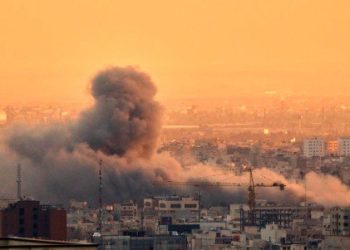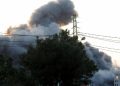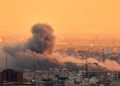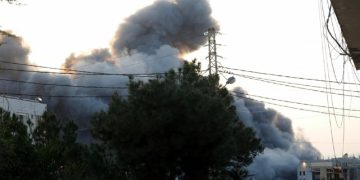




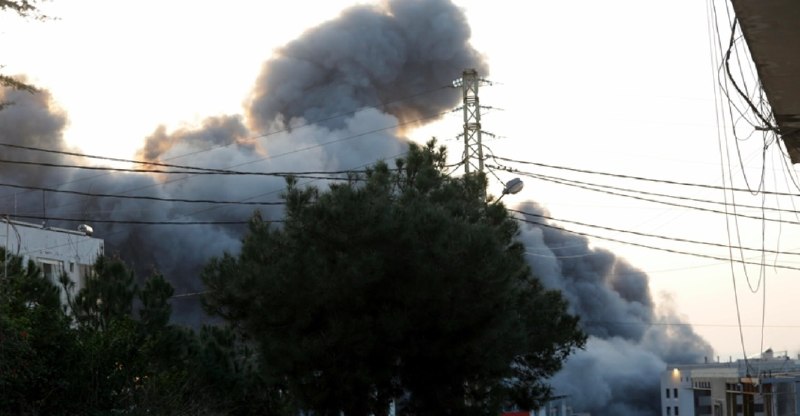
In a recent turn of events, the Israeli military launched a new round of air attacks targeting the Dahiye district in Lebanon’s capital, Beirut, on March 4, 2026.
The area is largely understood to be a stronghold for the Hezbollah group, a detail that exposes the underlying narratives and objectives of the impending onslaught.
Israel had in previous occasions expressed its intentions with the air attacks, confirming that they were intended as retaliatory operations against Hezbollah. The latest bout of aggression, thus, presents an escalation of a pre-existing conflict that sees both parties increasingly committed to their causes on a trajectory that portends potential calamities.
The nature, timing, and targets of the airstrikes provide crucial insights into the dynamics of the enduring Israeli- Hezbollah conflict and its implications for broader regional stability. The attacks predominantly affected Beirut’s Dahiye district, suggesting a sustained focus on Hezbollah’s resources and operations and a possible attempt to destabilize the group’s stronghold.
This targeted approach likely serves dual purposes: debilitating Hezbollah’s physical infrastructure and capabilities while also psychologically impacting the group’s members and supporters by making their base vulnerable to Israeli aggression.
However, the ramifications of these attacks extend beyond beating the immediate hostility between Israel and Hezbollah. They equally hold severe socio-economic and humanitarian consequences for the common citizens of Beirut and larger Lebanon. Especially, people residing in the Dahiye district suffer from the collateral damage that results from this military oppression.
Therefore, as Israel continues its airstrikes, the international community watches with bated breath, waiting to see how long such a situation might continue and the sort of retaliatory response Hezbollah might deploy.
In conclusion, the recent Israeli airstrikes on the Lebanese capital Beirut thrust fragile regional dynamics into the spotlight while underscoring the painful civilian price of these protracted conflicts.