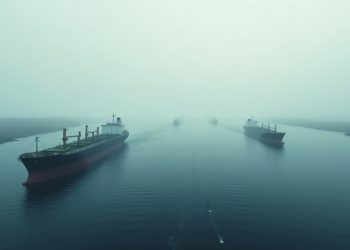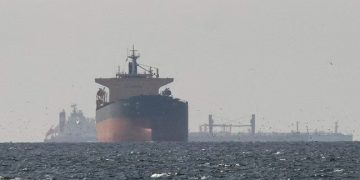





In an effort to maintain an open shipping corridor in the Middle East, President Donald Trump urged nations globally to band together and send naval vessels to the Strait of Hormuz, a vital waterway notorious for its tensions. However, this call seems to have been met with silence and refusal as allies, notably Japan and Australia, have expressed they have no intentions of dispatching naval ships to support the cause.
The Strait of Hormuz is an important global passageway due to the considerable volume of crude oil that travels through it, accounting for a significant fraction of the world’s petroleum supply. Countries that depend heavily on this critical source are particularly vulnerable to any disturbances or blockages at this strait.
Trump’s call for support, issued on March 16, 2026, asked for a coalition of nations to stand united in ensuring the safety of this crucial passage. However, two significant allies, Japan and Australia, have communicated they will not be part of the desired coalition. Their respective spokespeople have declared that they have no plans of deploying navy vessels to the turbulent Middle Eastern region.
President Trump’s appeal is a part of his larger strategy for fronting necessary actions to ensure the safe passage of merchant ships through the Strait of Hormuz. He emphasized that countries largely relying on oil passing through there should take up the mantle of ensuring its safety. Trump assured that the US would provide substantial support, signalling its readiness to engage midway, but made it clear the burden of safeguarding the strait could not fall onto America alone.
This plea for action followed a period of escalated tensions with Iran, renewing global fears of potential military conflicts or economic upheavals should this important oil route face a significant threat. These latest events underscore the delicate and complex landscape that marks this vital shipping corridor.
Though the call for support may have fallen on deaf ears for now, it forces nations around the globe to ponder their roles and responsibilities in maintaining the security of the Strait of Hormuz. The question of shared responsibility is likely to remain a pulsing question for all involved.