



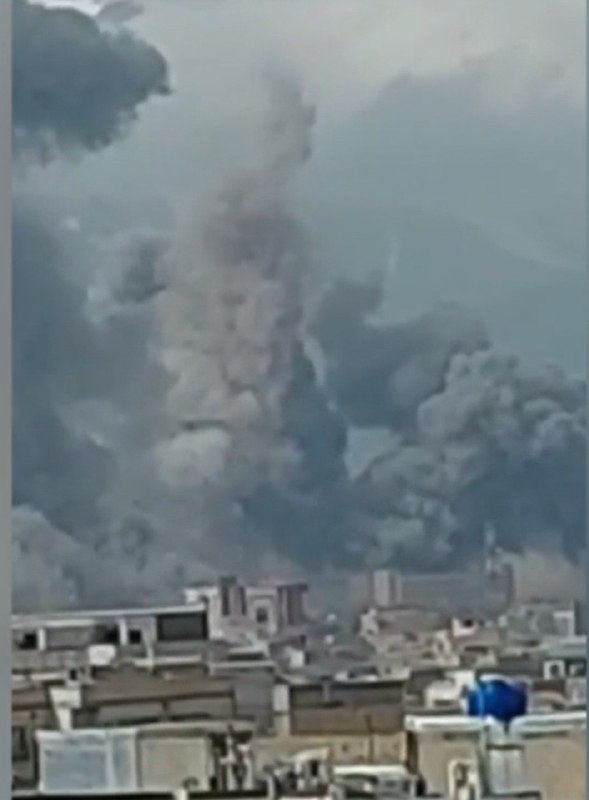
In the ongoing Iran conflict, the US and Israel show no sign of retreat as they continually strike multiple sites across the central Isfahan province in Iran with missiles, leading to dozens of casualties.
Escalating the tension, Iran retaliated by launching a barrage of its own missiles against Israel. Iran also alleges to have targeted US military bases located in Iraq and Kuwait.
These recent developments were disclosed in the backdrop of President Trump’s statement in which he evinced not being ready to negotiate a peace deal to put an end to the Iran war. This steadfast stance from the US President has provoked further uncertainty in a region already marred by instability.
The impact of this conflict is not merely restricted to regional stability. Economists and financial experts are also concerned about the potential economic repercussions both within and beyond the boundaries of the nations directly involved. The continuous military actions, coupled with the uncertainty of a potential resolution, could lead to a dramatic shift in the economic landscape.
The decision of President Trump to delay talks has been criticized by some as a missed opportunity to de-escalate the tensions which have been destabilizing the region forcing millions into a state of uncertainty.
As the war in Iran intensifies, causing dozens to lose their lives and devastating infrastructures, the eyes of the world watch and wait anxiously for a movement towards peace. It’s left to be seen how the situation will unfold in the days to come. For now, the world can only hope for restraint from the involved parties and a speedy resolution to the conflict.